 English


Views: 0 Author: Site Editor Publish Time: 2026-08-16 Origin: Site


Transitioning from a bottle to a cup represents a critical developmental milestone for infants. However, this shift often introduces valid concerns regarding oral motor development, cleaning hygiene, and chemical exposure. You naturally want to protect your child during this delicate phase. Unfortunately, many standard sippy cups fail to support proper swallowing mechanics. They frequently rely on low-grade plastics. These inferior materials can easily degrade during routine high-heat sterilization, releasing unseen toxins into your baby's drinks.
A rigorously tested BPA free baby training cup directly solves these challenges. It eliminates endocrine-disrupting chemical risks completely. Furthermore, it utilizes ergonomic designs to carefully bridge the gap between traditional bottle feeding and independent open-cup drinking. This guide details the exact specifications, developmental benefits, and sourcing criteria required for success. We will help you make an informed, safety-first purchase or procurement decision. You will learn exactly what features matter most for your child's long-term health and daily comfort.
Infants naturally start their feeding journey with a basic suckling motion. They push their tongues forward to draw milk from a soft nipple. This tongue-thrusting mechanism works perfectly for early bottle feeding and nursing. However, long-term reliance on this movement can delay essential oral motor skills. Pediatric speech-language pathologists warn against extended bottle usage. The right transition cup shifts this dynamic entirely. It encourages babies to retract their tongues. They begin using a mature swallowing pattern. This new muscle coordination proves absolutely necessary for future speech development and safely eating solid foods.
Pediatricians universally emphasize the critical importance of early weaning. Authoritative healthcare guidelines recommend eliminating bottles entirely between 12 and 24 months of age. Prolonged bottle use frequently leads to a severe condition known as "bottle rot." Natural milk sugars pool around emerging teeth while the baby sleeps. This causes rapid, painful dental decay. Extended suckling also risks permanent dental misalignment. These issues often require expensive, painful orthodontic correction in later childhood.
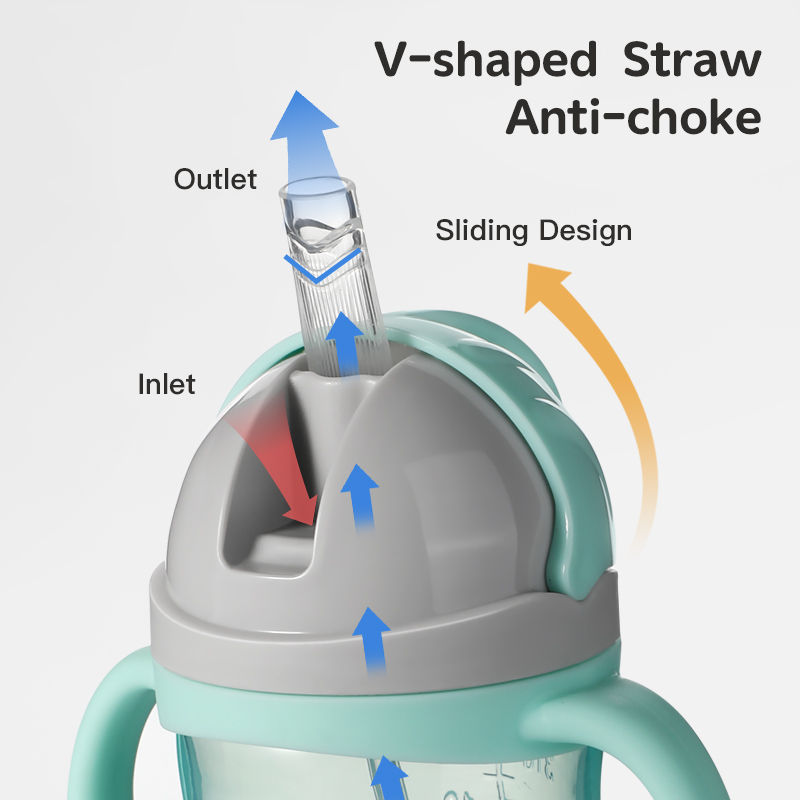
This is precisely where purpose-built drinkware becomes essential. A high-quality transition feeding BPA free baby training cup acts as the vital bridge. It provides familiar grips through removable, easy-to-hold handles. It also features manageable flow rates to prevent choking. This careful balance reduces infant frustration immensely. Parents can seamlessly guide their children toward independent hydration. They achieve this milestone without compromising oral posture or dental health.
Consumers routinely see prominent labels declaring plastic products safe. Yet, true chemical safety requires a deeper understanding of polymer science. Bisphenol A (BPA) acts as a highly documented endocrine disruptor. It mimics estrogen within the human body. This chemical interference potentially alters sensitive infant developmental pathways. Alarmingly, many manufacturers quietly replaced BPA with Bisphenol S (BPS) or Bisphenol F (BPF). These substitutes share nearly identical chemical structures. They pose the exact same hormonal risks to young children.
These unseen hazards multiply rapidly under daily household conditions. Parents frequently expose cups to warm milk, hot water, and steam sterilization. Intensive heat breaks down weak chemical bonds in cheap plastics. This process leaches invisible toxins directly into the baby's drink. You must look beyond generic marketing claims. Evaluate the specific material compositions instead. We recommend focusing on the most stable, non-toxic alternatives available on the market today.
Never trust unverified manufacturer claims blindly. Always demand concrete proof of compliance. Strict adherence to third-party lab testing ensures absolute product safety. Look for official certifications from the Consumer Product Safety Commission (CPSC) in the United States. The FDA also provides rigorous material safety guidelines for food-contact items. In European markets, LFGB standards dictate the highest possible level of chemical safety. Genuine, reputable brands readily provide these testing certificates upon request.
Choosing the right physical design accelerates the independent learning process. You must match the specific cup style to your child's current developmental stage. Selecting the wrong spout type often causes unnecessary frustration and immediate rejection. We categorize these essential options into three main structures to simplify your decision.
Hygiene represents another massive consideration during your evaluation. Many brands loudly boast about "100% spill-proof" performance. They typically achieve this using incredibly complex, multi-piece internal valves. This engineering choice creates a severe, hidden mold risk. Milk fats and thick fruit juices easily become trapped in tiny, inaccessible crevices. Moisture builds up quickly after washing. This environment allows dangerous black mold spores to flourish unseen inside the drinking mechanism.
We strongly recommend reviewing the specific BPA free baby training cup specifications before purchasing. Always choose cups featuring simple, one-piece, fully removable valves. They clean easily by hand and dry thoroughly on a rack. Ergonomics matter greatly for tiny, developing hands. Lightweight construction prevents early muscle fatigue. Removable, non-slip handles adapt easily as the baby grows older. Fluid capacity should strictly stay between 5 and 8 ounces for beginners. This specific volume prevents unnecessary wrist strain while providing adequate daily hydration.
| Design Structure | Ideal Age Range | Primary Developmental Benefit | Routine Cleaning Difficulty |
|---|---|---|---|
| Soft Silicone Spout | 6 to 9 Months | Highly familiar feel, gentle on teething gums | Low (Simple brushing required) |
| Weighted Straw System | 9 to 12 Months | Improves lip seal strength and cheek muscle tone | Medium (Requires special micro-brush) |
| 360-Degree Pressure Rim | 12+ Months | Directly simulates adult open-cup mechanics | Low to Medium (Parts must be separated) |
Parents often experience intense frustration during this transitional phase. Many common issues stem from simple, highly avoidable mistakes. Understanding these behavioral and mechanical pitfalls ensures a much smoother journey for both you and your child. Setting realistic expectations prevents unnecessary daily battles over hydration.
First, do not rush the liquid flow rate. Fast-flow hard plastic spouts overwhelm young infants incredibly quickly. They force the baby to gulp excessive air alongside their milk or water. This action directly mimics improper bottle habits. It frequently causes painful gas and severe colic symptoms. An overwhelming flow rate often leads to outright cup rejection. You want a controlled, steady stream. This allows the baby to pace their breathing naturally while drinking.
Do implement a clear, progressive staging strategy. We strongly advise starting with a basic Stage 1 soft-spout cup around six months of age. Introduce it casually alongside their very first solid food purees. Once they master the handle grip and soft suckle, transition them upward. Move steadily to weighted straws or 360-rim styles between nine and twelve months. This progressive mechanical challenge keeps their oral motor skills advancing naturally over time.
Finally, do not ignore daily wear and tear. Even the highest quality medical-grade silicone degrades over time through repeated use. Sharp emerging baby teeth can puncture soft spouts and straws effortlessly. Evidence-oriented safety reviews show these tiny bite tears pose a significant, immediate choking hazard. Small pieces of silicone can break off during vigorous sucking. You must inspect all silicone components daily under bright light. Replace spouts every few months. Discard them immediately upon noticing any structural weakness, deep scratches, or cloudy discoloration.
(Note: This section addresses B2B buyers, wholesale distributors, and highly involved consumers prioritizing supply chain transparency.)
Retailers and regional distributors face immense pressure to deliver exceptionally safe products. Supply chain transparency remains entirely non-negotiable in the infant goods industry. A trustworthy BPA free baby training cup supplier must provide total, unfiltered visibility into their manufacturing processes. You should explicitly look for active ISO 9001 quality management certification. Require verified proof of cleanroom manufacturing environments. Demand transparent raw material sourcing documents before signing contracts. This intense scrutiny guarantees harmful industrial chemicals never enter the active production floor.
Brands often need to differentiate themselves in an incredibly crowded consumer market. They achieve this competitive edge through customized OEM (Original Equipment Manufacturer) and ODM (Original Design Manufacturer) services. Developing a premium custom BPA free baby training cup involves several highly precise modifications. Factory engineers adjust 3D mold designs to create unique, recognizable silhouettes. They tweak handle ergonomics carefully to fit targeted demographic data. They precisely calibrate internal flow-rate valves to meet specific regional market demands. This high level of focused customization builds incredibly strong brand loyalty among modern parents.
However, beautiful customization means absolutely nothing without strict, reliable quality control. Consistent scalability requires rigorous batch-testing protocols on every single production run. Manufacturers must ensure every individual unit maintains perfect structural integrity. They perform brutal drop-testing procedures to accurately simulate real-world toddler tantrums on hard floors. They execute intense bite-force simulations on all silicone spouts using specialized machinery. They run accelerated UV aging tests to ensure plastics will not turn brittle over time. These stringent, uncompromising QC measures protect your valuable brand reputation. More importantly, they keep the end-users perfectly safe from harm.
Navigating the complex bottle-to-cup transition requires careful consideration, patience, and the right functional tools. A successful developmental shift relies entirely on balancing ergonomic design mechanics with absolute, uncompromising material safety. You cannot sacrifice one element for the other without risking your child's wellbeing.
We encourage you to evaluate your current cup inventory against these rigorous safety specifications today. Discard older items showing signs of heavy wear. If you are a retailer, distributor, or brand owner reading this guide, we advise reaching out. Contact a certified manufacturing partner directly to discuss your upcoming procurement needs, rigorous safety testing protocols, and custom product development inquiries.
A: Babies typically begin using training cups between 6 to 9 months of age. This timing coincides directly with the introduction of solid foods. Pediatric authorities highly recommend introducing small amounts of water during daily meals at this specific stage. This practice encourages proper swallowing mechanics and builds essential oral muscle strength early.
A: Look closely at the standard recycling codes stamped directly on the bottom base. Avoid plastic #7 entirely unless it explicitly specifies Tritan material nearby. Always check the external packaging for official FDA or CPSC compliance marks. If you purchase wholesale, demand official material safety data sheets (MSDS) straight from the manufacturer.
A: While extremely convenient for parents avoiding messes, highly restrictive spill-proof valves can cause developmental issues. They require intense, forceful sucking to release liquid. This habit strongly hinders the natural transition to a mature swallowing pattern. We suggest looking for free-flow or easy-sip valves to promote proper jaw muscle development over time.
A: You must replace hard plastic bases immediately if they become heavily scratched, warped, or permanently cloudy. These physical abrasions easily harbor dangerous bacteria. Soft silicone spouts or internal straws require routine replacement every 1-2 months. Discard them instantly at the very first visual sign of bite damage or tearing.


