 English


Views: 0 Author: Site Editor Publish Time: 2026-03-15 Origin: Site


Baby bottle cleaning is crucial for your baby's health. Without proper cleaning, harmful bacteria and mold can grow inside bottles, posing risks to your little one. But do baby bottle cleaning brushes actually work? In this article, we’ll explore whether these brushes are truly effective, compare them to other cleaning methods, and offer tips for maintaining optimal hygiene for your baby’s bottles.
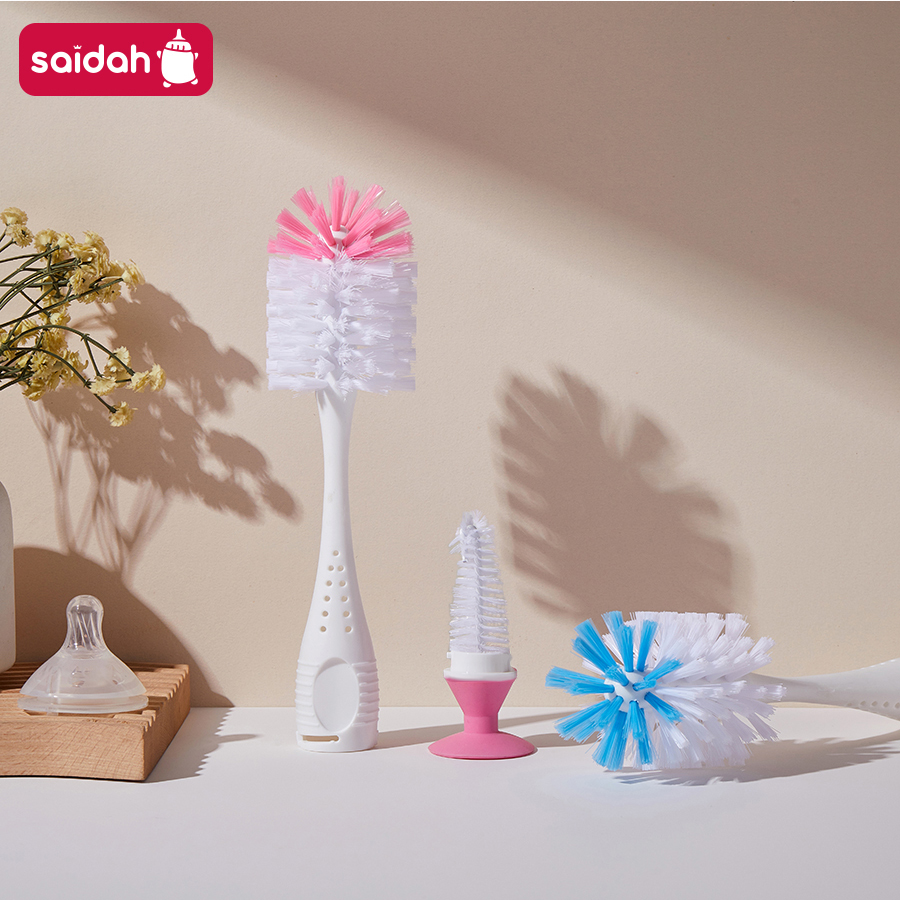
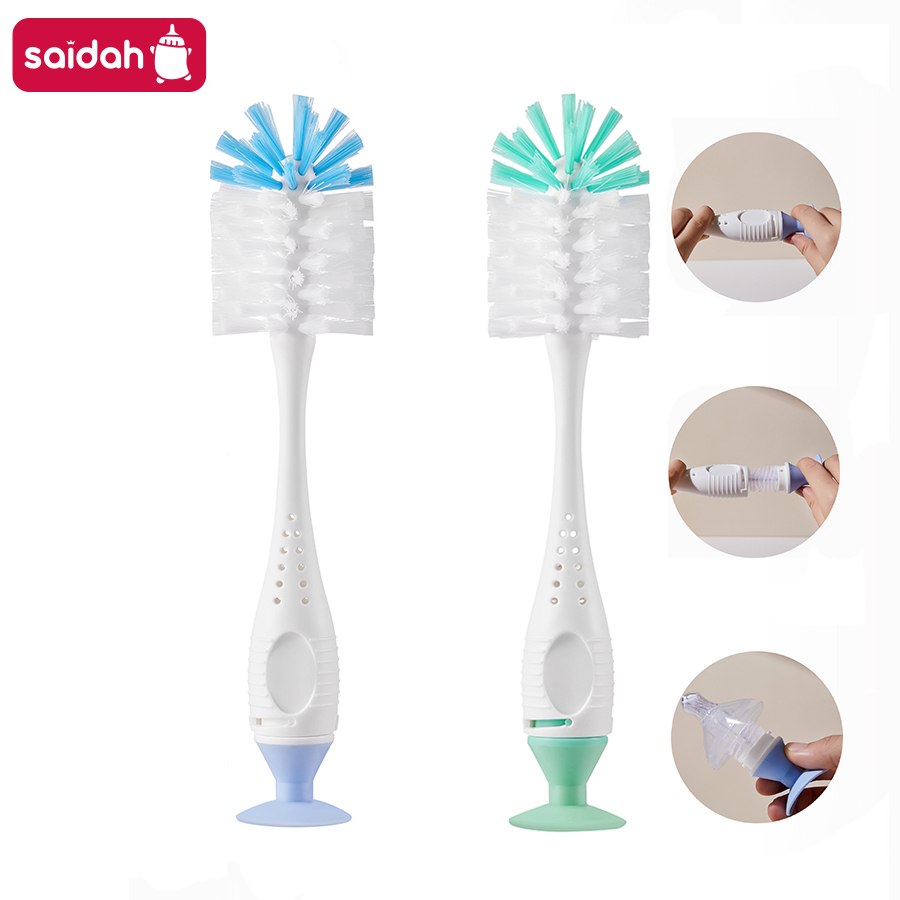
The design of baby bottle cleaning brushes is specifically created to provide deep cleaning inside the bottle, something that other cleaning tools may not achieve. These brushes usually have long, flexible handles with soft yet durable bristles that can reach narrow necks and the bottom of bottles, areas that are difficult to clean by hand or with a sponge.
Unlike a regular sponge or dishcloth, which may leave behind milk residue, baby bottle cleaning brushes allow for more targeted scrubbing. Their bristles are firm enough to scrub off residue while also being soft enough not to damage the delicate surfaces of the bottle or nipple. This design ensures that milk residue, bacteria, and mold don't get left behind, which is essential for maintaining proper hygiene.
When it comes to cleaning, it’s not just about removing visible residue. Bacteria thrive on leftover milk, and improperly cleaned bottles can lead to unpleasant health risks for your baby. The primary function of a baby bottle cleaning brush is to scrub the inner surfaces, removing both visible residue and microscopic particles that are not immediately visible.
The effectiveness of these brushes comes from their ability to agitate the bottle surface and break up residues that can’t be removed with plain water or a simple wipe. This process helps prevent the build-up of mold or other harmful microorganisms, ensuring the bottle remains safe for your baby.
While baby bottle cleaning brushes are generally regarded as an excellent tool, it's important to compare them to other common cleaning methods. The table below provides a comparison of different cleaning methods for baby bottles.
Cleaning Method | Pros | Cons |
Thorough, reusable, can reach all parts of the bottle | Needs regular replacement and maintenance | |
Dishwasher | Convenient, sanitizes bottles at high temperatures | May not clean all parts of narrow bottles |
Hand Washing | Good for thorough cleaning with proper technique | Time-consuming, not as efficient for some bottle types |
Wipes | Quick and convenient, ideal for on-the-go cleaning | Doesn’t provide deep cleaning, may leave residues |
Though baby bottle cleaning brushes can be more time-consuming compared to using a dishwasher, they offer a deeper clean, especially for bottles with narrow openings. They are also better at removing milk residue from the inside and around the nipple area.
Baby bottle cleaning brushes are designed to scrub every inch of a bottle, removing milk residue that can harbor bacteria. Many parents report that these brushes are effective at keeping their baby’s bottles clean and safe. They also provide a deeper level of cleaning compared to simply rinsing bottles by hand or using a dishwasher alone.
For instance, bottles with wide or narrow necks are particularly challenging to clean with just a sponge or dishcloth. Baby bottle cleaning brushes are designed to fit into these tight spaces, ensuring the bottle is properly scrubbed. Brushes with flexible heads or extended handles can reach the base of the bottle, preventing build-up in spots that are otherwise difficult to clean.
In online reviews and user experiences, many parents have shared positive feedback about baby bottle cleaning brushes. One common theme is that these brushes are indispensable for keeping bottles clean. Parents often mention how important it is to have a tool that can reach all the narrow, hard-to-clean spots inside the bottle. Some users also mention that they have been able to use the brushes for months without issues, provided they replace them when the bristles start to wear out.
However, some negative reviews point out that, over time, the brushes can lose their effectiveness as the bristles become frayed. Others report frustration when cleaning bottles that are difficult to reach, like those with built-in straws or complex shapes. Despite these drawbacks, most parents agree that baby bottle cleaning brushes are still the most effective tool for the job.
While baby bottle cleaning brushes are generally very effective, they are not without limitations. Over time, the bristles may become bent, lose their stiffness, or fray, making them less effective at removing residue. Additionally, some baby bottle cleaning brushes may not be ideal for bottles with more complex shapes, such as those with built-in straws, as the bristles may not reach deep inside.
Proper maintenance, including washing the brush after each use and replacing it regularly, is essential to ensure that it works effectively. It’s important to inspect your brush for any signs of wear and replace it when necessary to maintain optimal hygiene.
Self-cleaning bottles are a modern alternative to traditional baby bottle cleaning brushes. These bottles use ultraviolet (UV) light to sterilize the inside, reducing the need for manual cleaning. Some models are designed to automatically clean themselves with just a press of a button, which is highly convenient for busy parents.
However, while self-cleaning bottles are an excellent option for reducing cleaning time, they are more expensive than traditional bottles and may not provide as thorough a clean as a brush, especially for bottles with built-in components that the UV light might not reach.
Electric or battery-powered baby bottle cleaning brushes are another alternative that can clean more thoroughly than manual brushes. These brushes often feature motorized heads that provide extra scrubbing power, making them ideal for cleaning stubborn residue.
Electric brushes can be a great solution for parents looking for more convenience and efficiency. However, they come with a higher price tag and require regular charging or battery replacements. Also, like all powered devices, they require maintenance, such as replacing worn parts or charging the batteries.
For quick cleaning, especially when on the go, baby bottle cleaning wipes or sterilizing solutions can be helpful. These wipes are designed to kill bacteria and are often used in situations where you may not have access to running water.
However, wipes and sterilizing solutions are not a substitute for thorough cleaning with a brush. While they are effective at killing germs on the surface, they don’t remove milk residue or reach into the deeper parts of the bottle where residue and bacteria can accumulate. For full sanitation, baby bottle cleaning brushes are still necessary.
So, do baby bottle cleaning brushes actually work? Absolutely. Baby bottle cleaning brushes are one of the most effective tools available for ensuring bottles are thoroughly cleaned and sanitized. They remove milk residue, bacteria, and mold, which could otherwise compromise your baby’s health. These brushes are particularly useful for reaching difficult-to-clean areas inside the bottle, making them essential for regular bottle hygiene. While alternatives like self-cleaning bottles, electric brushes, and wipes may be convenient, they don’t always provide the same level of deep cleaning that a traditional baby bottle cleaning brush offers. Regular cleaning, proper maintenance, and timely replacement of the brush will ensure that your baby’s bottles stay safe and clean. Foshan City Saidah Baby Products Limited offers a range of high-quality baby bottle cleaning brushes that help keep your baby’s bottles spotless and hygienic.
A: Yes, baby bottle cleaning brushes are highly effective. They help remove milk residue and bacteria from bottles, ensuring better hygiene than other methods like hand washing or dishwashing alone.
A: It’s recommended to replace your baby bottle cleaning brush every 1-3 months, depending on usage. Regular replacement ensures thorough cleaning and prevents bacteria buildup.
A: While dishwashers sanitize bottles, baby bottle cleaning brushes offer more thorough cleaning. They reach areas like the bottle neck that a dishwasher may miss, ensuring complete hygiene.
A: Baby bottle cleaning brushes are designed specifically for bottles, but they can also be used to clean other baby items, like nipples or sippy cups, ensuring they remain free of residue.
A: Yes, baby bottle cleaning brushes are effective in preventing bacteria and mold growth by scrubbing away milk residue and preventing it from turning into harmful contaminants.


