 English


Views: 0 Author: Site Editor Publish Time: 2026-08-21 Origin: Site


For distributors, retailers, private-label brands, and e-commerce sellers, sourcing a baby pacifier is not simply a matter of finding the lowest unit price. Because pacifiers are infant-use products, material selection, construction, testing, customization, packaging, production consistency, and delivery planning all affect whether a supplier is suitable for long-term cooperation.
A strong B2B sourcing process should evaluate whether the manufacturer can support the target market, reproduce an approved specification across batches, provide practical OEM/ODM support, and scale from trial orders to regular replenishment.
Before comparing pacifier designs, define where the product will be sold. The regulatory and commercial requirements for a U.S. retailer may differ from those of a European distributor or a private-label seller in another market.
In the United States, CPSC guidance states that pacifiers must comply with 16 CFR Part 1511 and applicable additional requirements, and manufacturers or importers must certify compliant children’s products through a Children’s Product Certificate. CPSC also notes applicable ASTM F963 requirements depending on product construction.
For Europe, BS EN 1400:2013+A2:2018 covers safety requirements and test methods relating to materials, construction, performance, packaging, and product information for soothers. Buyers should confirm the requirements that apply in their destination market before approving mass production.
A professional RFQ should include more than the words “baby pacifier.”
The buyer should define material, teat shape, shield design, size or age positioning, color range, packaging type, branding requirements, expected quantity, and target market. These details make supplier quotations and sample comparisons much more useful.
SAIDAH’s pacifier range includes multiple designs, including orthodontic styles, soft silicone options, and day-and-night designs. For buyers who want to compare existing platforms before considering new tooling, SAIDAH’s baby pacifier collection provides a practical starting point.
Material claims are important in infant products. Buyers should request the exact material specification for the model being quoted rather than assuming every pacifier in a catalog uses the same formulation.
One SAIDAH example, model SD5504, uses silicone and PP and is offered in two sizes. Its official product page lists S at 6.3 × 5.3 × 1.7 cm and M at 6.3 × 5.3 × 1.9 cm, with a listed weight of 0.0125 kg. The product is positioned for ages 0–3 years. (Saidah Group)
These details matter because material, dimensions, and age positioning affect packaging copy, assortment planning, and the test scope that may be required for the destination market.
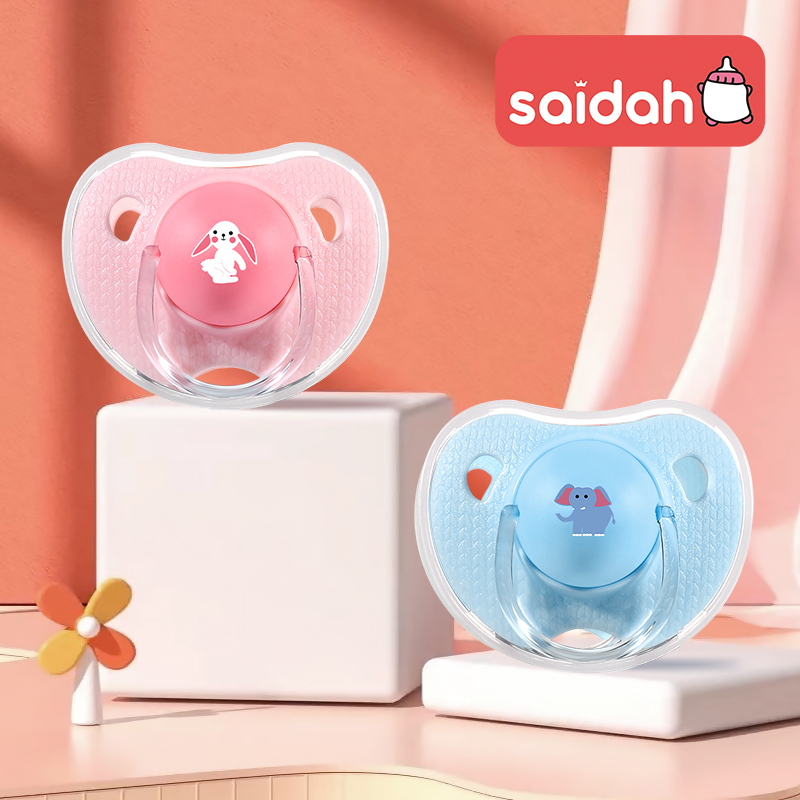
Image 1: SAIDAH SD5504 Baby Pacifier
Private-label sourcing often starts with a logo request, but B2B customization usually involves more than printing a brand name.
Color, packaging structure, artwork, labeling, carton configuration, and sometimes product development can affect the final commercial result. SAIDAH states that its OEM/ODM service covers raw-material and product selection, research and development, molds, production, packaging, transportation, and after-sales support.
Its service page also states that custom-logo samples and custom-packaging samples can be prepared in three days, with a listed 15-day lead time. The SD5504 product page repeats the availability of custom logo and packaging options. For a private-label buyer, the key question is not only “Can you print my logo?” but “Which parts of the product and packaging can be standardized for repeat orders?”
| B2B Check | What to Confirm | Why It Matters |
|---|---|---|
| Product specification | Material, dimensions, age positioning | Creates an approved reference |
| Market compliance | Tests, certificates, labels, warnings | Supports market entry |
| Customization | Logo, colors, packaging, mold options | Defines private-label flexibility |
| Sample process | Approval steps and timing | Reduces bulk-order changes |
| Quality control | In-process and final checks | Supports batch consistency |
| Lead time | Sample and production schedule | Helps inventory planning |
| Scalability | Trial and repeat-order capability | Supports future growth |
The objective is not to choose the supplier with the longest list of claims. It is to confirm which requirements can be documented and repeated.
For B2B buyers, a good-looking sample is only the beginning. What matters is whether later production can match the approved sample.
SAIDAH describes a dedicated quality-inspection team and lists equipment including a hardness tester, precision electronic scale, pressure tester, tensile tester, VOC detector, and two-dimensional measuring instrument.
Buyers should still agree on order-specific inspection criteria. Color tolerance, logo position, packaging appearance, dimensions, surface condition, carton quantity, and functional checks can all be included in an approval standard. For larger programs, a signed sample or approved specification sheet provides a useful benchmark for production and pre-shipment inspection.
A baby pacifier sold through a pharmacy chain may need a different commercial presentation from one sold through e-commerce, maternity stores, supermarkets, or regional distributors.
Online sellers may prioritize compact packaging, strong product photography, color variants, and manageable replenishment quantities. Physical retailers may focus more on shelf presentation, barcode placement, hanging structure, multi-pack options, and carton efficiency. Distributors may prefer a wider model range for different retail customers.
SAIDAH’s SD5504 provides one example for private-label planning because its official page lists two sizes, pink and blue color options, custom logo, custom packaging, a three-day sample timeline, and a 15-day lead time.
Buyers can review the SD5504 Cartoon Pattern Thumb Shape Baby Pacifier as an existing platform for wholesale or branded programs.
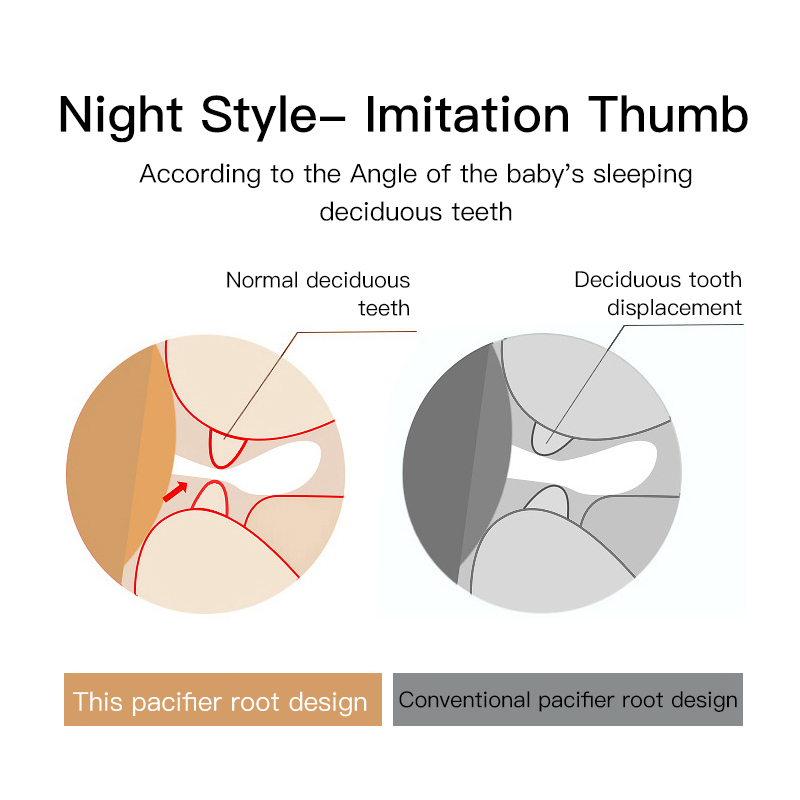
Image 2: SAIDAH Baby Pacifier Design Example
For infant products, documentation should be part of the commercial specification rather than an optional attachment.
Before ordering, buyers should identify which test reports, certificates, tracking information, warnings, and labeling records are required for the destination market. In the U.S., CPSC states that pacifiers are subject to 16 CFR Part 1511 and applicable children’s-product requirements.
A supplier’s general statement that a product is “safe” is therefore not enough for a regulated-market sourcing decision. Buyers should match the actual model, material, packaging, and intended market to the required documentation.
The same logic applies to private-label changes. If material, construction, decoration, or packaging changes, buyers should determine whether existing test documentation still covers the final configuration.
A common B2B mistake is approving a generic stock sample and deciding the final color, logo, or packaging only later.
A stronger process is to approve the basic product first, then branding and packaging, and finally the complete production specification. SAIDAH states that it can provide custom logo and packaging samples in three days.
The approved sample should be tied to a written specification so that repeat orders can reproduce the same configuration.
Ask for the exact material, dimensions, age positioning, customization options, target-market test documentation, sample process, production lead time, packaging options, and quality-control procedure.
Yes. SAIDAH states that it supports custom logos and custom packaging, while its broader OEM/ODM service includes product selection, development, molds, production, packaging, transportation, and after-sales support.
No. Requirements vary by destination and product configuration. U.S. pacifiers, for example, are subject to 16 CFR Part 1511 and applicable CPSC requirements. Buyers should verify each target market separately.Should a wholesaler order a custom mold immediately?
Not always. An existing pacifier platform can be a lower-risk way to test colors, packaging, positioning, and market demand before investing in a completely new design.
A clear approved specification, consistent materials, controlled branding and packaging, quality inspection, and a repeatable production process matter more than one attractive sample.
B2B sourcing of a baby pacifier should combine product selection with compliance planning, customization, quality control, and supply-chain management.
For wholesalers and distributors, the goal is consistent replenishment. For private-label brands, the supplier must also support branding and packaging without losing control of the approved specification.
Foshan City Saidah Baby Products Limited develops baby products across pacifiers, bottles, cups, teethers, feeding products, and baby-care accessories. SAIDAH states that the brand was established in 2012 and supports OEM/ODM projects, including flexible small or medium order quantities. Its SD5504 pacifier provides one example of a silicone/PP product with size options, custom logo and packaging support, and defined sample and lead-time information.
The most effective purchasing approach is to define the target market first, approve the exact product and packaging configuration, verify the required compliance documentation, and then evaluate whether the supplier can reproduce that specification at the volume your business needs.
The most effective purchasing approach is to define the target market first, approve the exact product and packaging configuration, verify the required compliance documentation, and then evaluate whether SAIDAH can reproduce that specification at your required order volume for consistent wholesale replenishment.


