 English


Views: 0 Author: Site Editor Publish Time: 2026-08-30 Origin: Site


Launching private label infant care products carries incredibly high stakes. Infant safety is absolutely non-negotiable. Even a single product recall can permanently destroy a brand's reputation and decimate your bottom line. Importers cannot afford to cut corners when dealing with items infants use daily.
Today’s educated parents demand uncompromising quality. They drive a massive market shift toward medically safe materials and highly specialized feeding designs. Parents extensively research materials, flow rates, and chemical safety before making a purchase. Consequently, importers face immense pressure to navigate complex supply chains and source flawlessly.
You need a rigorous approach to vet suppliers and secure reliable products. This guide provides a structured, evidence-based framework to evaluate materials and verify legal compliance. You will also learn how to thoroughly audit manufacturing partners before you sign any production contracts.
Regulatory compliance (FDA, EN 14350, CPSIA) must be validated through independent, third-party lab testing, not just supplier claims.
Medical-grade and food-grade silicone are the industry standards for durability, heat resistance, and hypoallergenic safety.
A competitive private label catalog requires specific flow variations, particularly specialized newborn and slow flow designs with anti-colic features.
Auditing OEM partners requires verifying cleanroom manufacturing standards and rigorous internal quality control (QC) protocols, such as tear and tensile strength testing.
Safety compliance serves as the absolute baseline for market entry. You must not treat it as an optional marketing feature. It remains a strict legal and operational prerequisite. If your products fail to meet regional standards, you face immediate border rejections, forced recalls, and severe financial penalties.
Importers must navigate highly specific regulatory environments depending on their target geography. You must design your compliance strategy around these primary frameworks:
US Market: You must ensure FDA compliance for all food contact materials. Additionally, the Consumer Product Safety Improvement Act (CPSIA) enforces stringent standards for children's products, specifically targeting lead and phthalate restrictions.
EU Market: The EN 14350 standard strictly governs child use and care articles, specifically drinking equipment. It places a heavy focus on physical properties, mechanical strength, and rigorous chemical migration limits.
Supply chain risks manifest as costly real-world disasters if poorly managed. Chemical migration testing remains one of the most critical hurdles. Failing tests for volatile organic compounds (VOCs) or nitrosamines carries severe financial and legal consequences. Customs authorities routinely test imported infant products. If they detect illegal chemical migration levels, they will confiscate and destroy your entire shipment. Post-market discoveries often lead to class-action lawsuits.
Never take a supplier's verbal assurance of compliance at face value. You must mandate comprehensive Technical Files from potential vendors. Require recent, valid audit reports from internationally certified testing bodies. Look for reports generated by UL, SGS, or Intertek. Do this before shortlisting any factory. Verifying these documents independently protects your investment and ensures consumer safety.
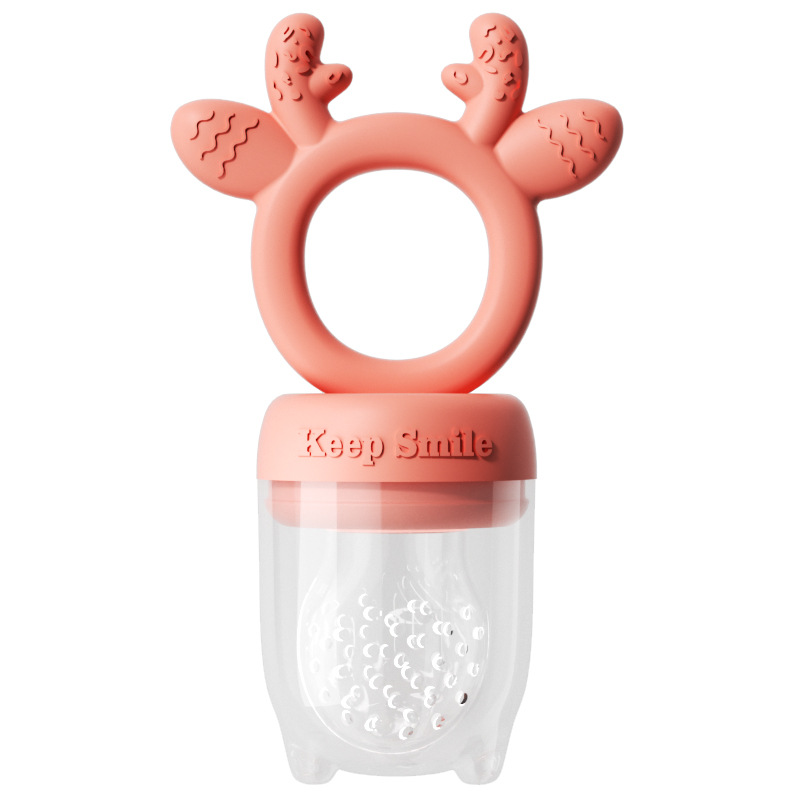
Choosing the correct raw material defines your product's performance and safety profile. Traditional latex once held significant market share, but modern manufacturing heavily favors silicone. We must examine why this shift occurred and how it impacts your sourcing decisions.
Premium brands rely heavily on silicone bottle nipples because they deliver superior structural advantages over traditional latex. Latex degrades quickly, becomes sticky over time, and poses serious allergy risks. Silicone eliminates these issues. It offers high thermal resistance, allowing parents to perform repeated steam or chemical sterilization without degrading the product. Furthermore, silicone provides a non-porous surface. This naturally resists bacterial buildup, ensuring better hygiene. Its hypoallergenic properties protect sensitive infants from dangerous latex allergies.
Importers often confuse food-grade and medical-grade materials. Both represent safe options, but they serve different quality tiers. Food-grade silicone meets standard FDA requirements for food contact. Medical-grade liquid silicone rubber (LSR), however, undergoes a more stringent purification process. We strongly recommend medical-grade LSR for premium private labels. It features higher purity levels and tighter molecular cross-linking. This creates superior tear resistance, which is vital when babies begin teething.
Material Type | Thermal Resistance | Durability & Tear Resistance | Hypoallergenic Status |
|---|---|---|---|
Traditional Latex | Low (Degrades under steam) | Moderate (Prone to micro-tears) | High Risk (Latex allergies) |
Food-Grade Silicone | High (Safe for boiling) | High (Excellent elasticity) | Safe (Hypoallergenic) |
Medical-Grade LSR | Extremely High (Autoclave safe) | Superior (Maximum tear strength) | Maximum Safety (Biocompatible) |
Always exercise extreme caution when suppliers offer suspiciously cheap materials. Low-cost manufacturers frequently mix pure silicone with inexpensive plastic fillers to reduce production costs. These adulterated materials degrade rapidly under high heat. Worse, they can leach toxic chemicals into infant formula during boiling. Always demand purity certificates and verify them through independent laboratory testing. Common mistakes occur when buyers prioritize unit cost over verified material purity.
Engineering the right physical design matters just as much as material selection. Consumer satisfaction hinges entirely on matching fluid dynamics to infant age, feeding methods, and developmental stages. A well-designed catalog addresses these varied needs with precision.
Your product line must capture parents at the beginning of their feeding journey. The engineering requirements for a newborn bottle nipple are highly demanding. Infants at this stage require breast-like structural flexibility. The material must stretch and compress naturally during feeding. This specific elasticity prevents nipple confusion, a common issue in mixed-feeding scenarios where parents alternate between breast and bottle. If the shape remains too rigid, the infant will reject it.
As infants grow, their feeding capabilities change. However, younger babies require strict flow control to prevent choking hazards. Manufacturing a reliable slow flow bottle nipple demands extreme precision. Quality factories utilize precision laser-piercing to create the nipple hole. Improper piercing methods, such as dull mechanical punches, lead to severe flow inconsistencies. If the hole is too large, the baby chokes. If it is too small or jagged, the baby becomes frustrated and ingests excess air. Consistent flow rate calibration prevents colicky episodes and ensures a smooth feeding experience.
Modern parents expect advanced functionality. You must incorporate integrated air-venting systems, commonly known as anti-colic valves, into the base of the design. These micro-valves allow air to enter the bottle as milk exits. This equalizes internal pressure and prevents the nipple from collapsing. More importantly, it dramatically reduces the amount of air the infant ingests, thereby minimizing painful gas and colic.
Finding a supplier represents only the first step. You must systematically audit their capabilities, facilities, and quality control frameworks. A robust evaluation separates genuine manufacturing partners from high-risk brokers.
When you evaluate a bottle nipple wholesale partner or a direct factory, you need a strict qualification framework. Ask for documentation upfront. Request their business licenses, export records, and current client references. Verify their history in manufacturing infant care items specifically, rather than general silicone housewares. General silicone factories often lack the specialized knowledge required for infant safety compliance.
You cannot produce high-quality infant feeding products in a standard, dusty warehouse. State the necessity of ISO 9001 certification to ensure they possess a standardized management system. More importantly, liquid silicone injection molding requires an ISO Class 8 (or higher) cleanroom environment. Cleanrooms filter out airborne particulates, preventing dust and contaminants from curing inside the silicone molds. If a facility cannot provide proof of cleanroom maintenance and regular particle count logs, you should disqualify them immediately.
A reliable OEM baby bottle nipple manufacturer must perform rigorous physical tests on-site. Do not accept factories that rely solely on external labs for basic batch testing. They must execute the following checks internally:
Bite and Tear Testing: Technicians simulate a teething infant's bite force. This ensures the tip cannot be chewed off and become a lethal choking hazard.
Tensile Strength Testing: Specialized machines pull the silicone from both ends. This evaluates material elasticity and verifies structural integrity under extreme stress.
Flow Rate Calibration: QC inspectors perform batch-testing to check hole precision. They measure fluid output over a set time to guarantee flow consistency across every production run.
You must actively look for warning signs during your audit. Warn your sourcing team against manufacturers who outsource their molding processes to sub-contractors. Outsourcing breaks the chain of quality custody. Another major red flag involves factories lacking in-house testing equipment. If they do not own basic tensile testing machines or flow calibration scales, they cannot guarantee batch-to-batch consistency.
Once you gather data from multiple potential vendors, you need a systematic method to finalize your choice. Moving from a broad list to a single manufacturing partner requires objective evaluation and physical product testing.
Develop a clear, step-by-step framework for making your final vendor selection. Score each factory based on their compliance documentation, communication speed, cleanroom certifications, and unit pricing. Prioritize safety certifications heavily over minor price differences. We recommend using a weighted scoring system where compliance and QC capabilities account for at least sixty percent of the final decision.
Evaluation Criteria | Weight (%) | Key Indicators for Passing |
|---|---|---|
Compliance & Certifications | 40% | Valid FDA/EN 14350, ISO Class 8 Cleanroom |
In-House QC Testing | 25% | Tensile testers, Flow calibration, Tear tests |
Communication & Transparency | 20% | Provides technical files, allows third-party audits |
Pricing & Lead Times | 15% | Competitive cost without suspiciously cheap materials |
Do not sign off on a mold based purely on digital renders or initial aesthetics. Advise your quality team to order physical samples and subject them to extreme, real-world testing. Boil the samples repeatedly for hours. Pull them aggressively to test tear resistance. Run them through harsh, high-heat dishwasher cycles. Only approve the vendor if the samples maintain their structural integrity, clarity, and flow dynamics after this aggressive stress testing.
You must carefully weigh the return on investment (ROI) regarding tooling. You have two primary paths when sourcing standard bottle nipples:
Custom Molds: Investing in a custom mold gives you proprietary ownership of the design. You can engineer unique anti-colic features or specialized shapes. However, this approach requires higher upfront costs and demands much larger Minimum Order Quantities (MOQs). Lead times also increase significantly as you refine prototypes.
White-Labeling Existing Molds: Using a factory's existing, pre-tested mold lowers your initial financial barrier. It accelerates your time to market. MOQs remain lower, allowing you to test market demand quickly. The tradeoff involves less brand differentiation.
Never place your maximum volume order immediately. We strongly recommend starting with a smaller pilot purchase order. This initial run allows you to verify batch consistency in a real production environment. It also tests the supplier’s communication protocols and shipping reliability. Once the pilot order passes independent AQL (Acceptable Quality Limit) inspections, you can confidently scale up to full-volume production.
Building a successful private label infant brand demands rigorous attention to detail. The critical path begins with strict material selection, focusing heavily on medical-grade LSR. You must follow this with uncompromising compliance verification, utilizing independent third-party labs to validate FDA or EN 14350 standards. Finally, executing a comprehensive OEM facility audit ensures your partner maintains cleanroom standards and in-house testing protocols.
You must constantly reiterate a fundamental business truth: prioritizing infant safety and engineering precision over the lowest unit cost is the only sustainable strategy. Cutting corners on material purity or QC testing inevitably leads to disastrous product recalls and permanent brand damage.
Take action immediately. Formalize your supplier audit checklists using the frameworks provided. Reach out to your initial vendor shortlist and begin requesting their technical files and third-party lab reports today. Protect your future brand by demanding excellence from your supply chain right now.
A: Food-grade silicone meets standard FDA requirements for safe food contact. Medical-grade silicone, specifically liquid silicone rubber (LSR), undergoes a much stricter purification process. It features tighter molecular cross-linking, yielding higher purity, better biocompatibility, and superior tear resistance. Premium infant brands heavily prefer medical-grade LSR for enhanced safety and durability.
A: Your OEM partner should supply updated third-party compliance reports annually. Additionally, you must request new testing reports whenever the factory changes raw material suppliers, alters the mold, or adjusts the manufacturing process. Consistent testing ensures ongoing adherence to CPSIA, FDA, or EN 14350 standards.
A: A competitive catalog must include multiple developmental stages. Start with a preemie or extra-slow flow for delicate feeding. Include a newborn/slow flow for 0-3 months, a medium flow for 3-6 months, and a fast flow for infants over 6 months. Adding a variable flow option (Y-cut) accommodates thicker liquids.
A: Do not rely solely on verbal confirmations or marketing photos. Request their official ISO 14644 cleanroom certification documents, specifically looking for ISO Class 8 or higher. Furthermore, ask to see their recent maintenance logs and environmental particle count records to prove the cleanroom remains actively monitored and functional.


