 English


Views: 0 Author: Site Editor Publish Time: 2026-03-18 Origin: Site


Proper baby bottle cleaning is crucial for your baby’s health and safety. One key tool in this process is the baby bottle brush. But how often should you replace your bottle brush to ensure it remains effective? In this article, we’ll explore why changing your bottle brush regularly is important, how often you should replace it, and how to extend its lifespan. We’ll also compare different types of baby bottle cleaning brushes and provide maintenance tips.
When it comes to baby bottle cleaning, hygiene is paramount. Over time, your baby bottle brush can accumulate germs, mold, and bacteria, particularly in the bristles. Even with regular cleaning, if the brush is not replaced, the bacteria and mold that build up on it can transfer to your baby's bottles.
Milk residue left on the bristles can attract germs, making your brush a potential breeding ground for harmful bacteria. For babies with weaker immune systems, using a contaminated brush could increase the risk of infections. Therefore, it's crucial to change your brush regularly to reduce this risk and ensure your baby’s bottles remain sanitary.
Like most cleaning tools, bottle brushes experience wear and tear over time. The bristles on the brush can become frayed, bent, or worn down, making them less effective at cleaning the bottle.
When bristles start to lose their shape, they are less efficient at scrubbing off milk residue and other debris, especially in hard-to-reach areas like the bottom of the bottle or the neck. This results in a less thorough cleaning, which means that harmful residues and bacteria may remain inside the bottle, posing potential health risks.
A well-maintained bottle brush is essential for thorough cleaning. If you notice that the bristles are no longer standing firm or have become bent or frayed, it's a sign that your brush needs to be replaced.
Cross-contamination is another significant concern when using an old bottle brush. If the brush isn’t cleaned properly after each use, it can transfer bacteria from one bottle to another. For instance, milk residue from one bottle may be transferred to the next one, which could lead to bacterial buildup.
Using the same brush for multiple bottles over extended periods without proper cleaning or replacement can result in cross-contamination, compromising the cleanliness of the bottles your baby uses. It's essential to avoid this risk by replacing the brush when necessary.
The general recommendation for replacing a baby bottle cleaning brush is every 1 to 3 months. However, this depends on factors such as frequency of use and how well the brush is maintained. If you use the brush multiple times a day or if it’s heavily used, it may need to be replaced sooner, around 1 to 2 months. For brushes that are used less frequently, you can extend the replacement period to 3 months.
If you notice any visible damage to the bristles or handle, it’s crucial to replace the brush immediately to maintain effective cleaning and hygiene.
It’s important to pay attention to certain signs that indicate it’s time to replace your baby bottle cleaning brush. Here are some common signs that your brush needs replacing:
Sign of Wear | What to Look For | Action Needed |
Worn Bristles | Bristles are bent, frayed, or falling out | Replace the brush |
Handle Damage | Handle is cracked, loose, or broken | Replace the brush |
Unpleasant Odor | The brush retains odors despite thorough cleaning | Replace the brush |
Ineffective Cleaning | The brush no longer scrubs effectively or reaches hard-to-clean areas | Replace the brush |
If you notice any of these signs, it’s time for a new brush. Using a damaged or ineffective brush will lead to poor cleaning and possible contamination.
Different types of baby bottle cleaning brushes require different replacement timelines based on their material and design. Here’s a breakdown of how often to replace some of the most common types of bottle brushes:
Brush Type | Recommended Lifespan | Replacement Frequency |
Durable and effective for general use | Replace every 1-2 months | |
Silicone | Gentle on bottles and longer-lasting | Replace every 3 months |
Sponge | Wears out quickly due to its absorbent nature | Replace every month |
The type of brush you use may also influence how often it needs to be replaced. For example, silicone brushes tend to last longer than nylon or sponge brushes, which may need replacing more frequently.
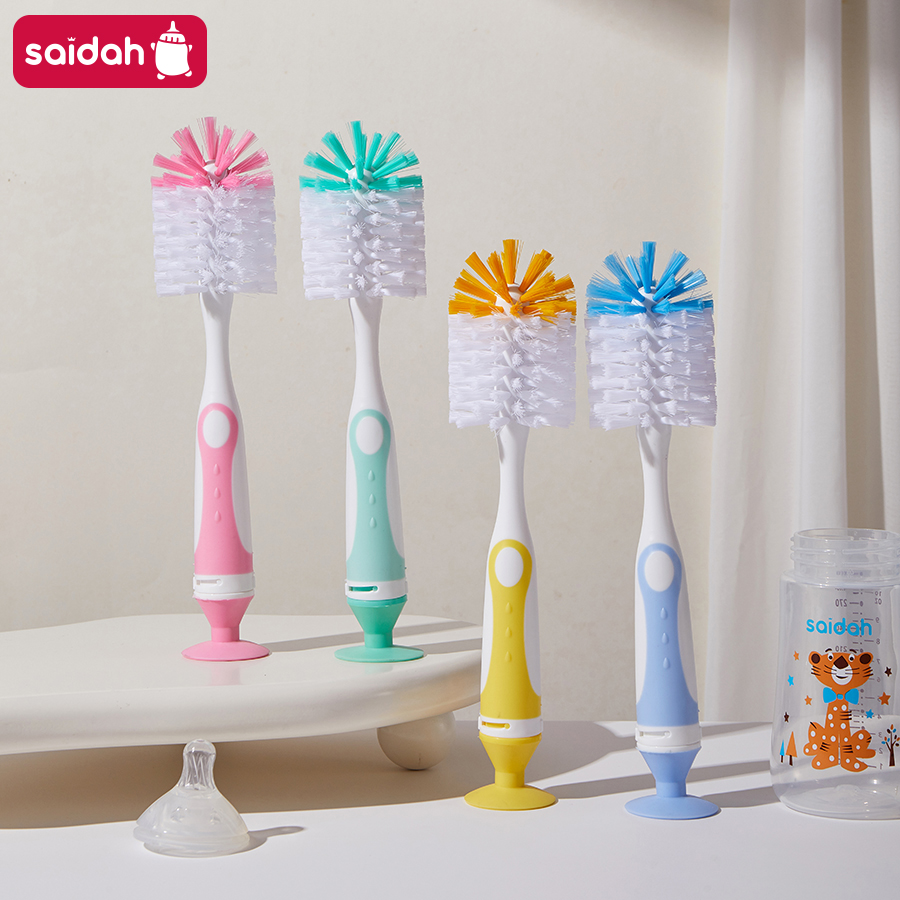
Regular cleaning is essential for extending the lifespan of your baby bottle cleaning brush. After each use, rinse the brush thoroughly to remove any milk residue. If you notice milk buildup on the bristles, soak the brush in warm, soapy water to loosen the debris. You can also disinfect the brush by soaking it in a mixture of hot water and mild disinfectant.
For a deeper clean, consider boiling the brush for a few minutes or using a baby-safe sterilizer. This helps eliminate any lingering germs or bacteria that might be trapped in the bristles.
Proper storage plays a significant role in extending the life of your bottle brush. After each use, shake the brush to remove excess water, then let it air dry completely. Store the brush in a dry place, ideally hanging it up or placing it in a holder where air can circulate. This prevents moisture buildup, which can lead to mold or mildew growth on the brush.
Avoid storing the brush in a damp or enclosed space, as this will increase the likelihood of bacterial growth. Proper drying and storage are key to maintaining a clean and effective brush for as long as possible.
Specialized brush cleaners can be very effective in keeping your bottle brush in top condition. These cleaners are designed to help break down milk residue and disinfect the brush, preventing the buildup of bacteria. You can find these cleaners at many baby supply stores or use a mild dish soap as an alternative.
Ensure that you follow the manufacturer's instructions for cleaning the brush, as using harsh chemicals could damage the bristles or handle.
In recent years, self-cleaning bottles have become a popular alternative to traditional baby bottle cleaning brushes. These bottles use mechanisms like UV sterilization or self-washing features to clean the inside automatically. With these bottles, the need for frequent bottle brush replacements is greatly reduced, as they are designed to stay cleaner for longer.
Self-cleaning bottles are especially useful for parents on the go or those who prefer less manual cleaning. However, it’s important to note that these bottles still need to be sterilized occasionally, and the technology may not reach the tight areas inside certain bottles.
Electric or battery-powered baby bottle cleaning brushes are an innovative alternative to manual brushes. These brushes offer the benefit of quicker, more efficient cleaning, as they have built-in motors that help scrub the bottle more effectively. Many electric brushes come with features like adjustable speeds and interchangeable heads for different bottle types.
These brushes last longer than traditional manual brushes, but they still require maintenance. Depending on use, electric brushes should be replaced every 3 to 6 months. Always follow the manufacturer's instructions for cleaning and maintaining these tools.
Changing your bottle brush regularly is essential for maintaining proper baby bottle cleaning. A worn-out brush not only reduces cleaning efficiency but can also pose hygiene risks. Replacing your brush every 1-3 months, or sooner if needed, helps keep your baby’s bottles safe from harmful bacteria. By following the maintenance tips provided, you can extend the life of your brush and ensure your baby always has a clean, safe bottle. Additionally, exploring alternative options like self-cleaning bottles or electric brushes may provide a more convenient and long-term solution for your bottle cleaning needs. Always remember to inspect your bottle brush regularly, and when it’s time to replace it, make sure to choose a high-quality replacement for the best results in baby bottle cleaning. Foshan City Saidah Baby Products Limited offers a range of durable and reliable baby bottle cleaning brushes to ensure your baby’s bottles are always hygienic and safe.
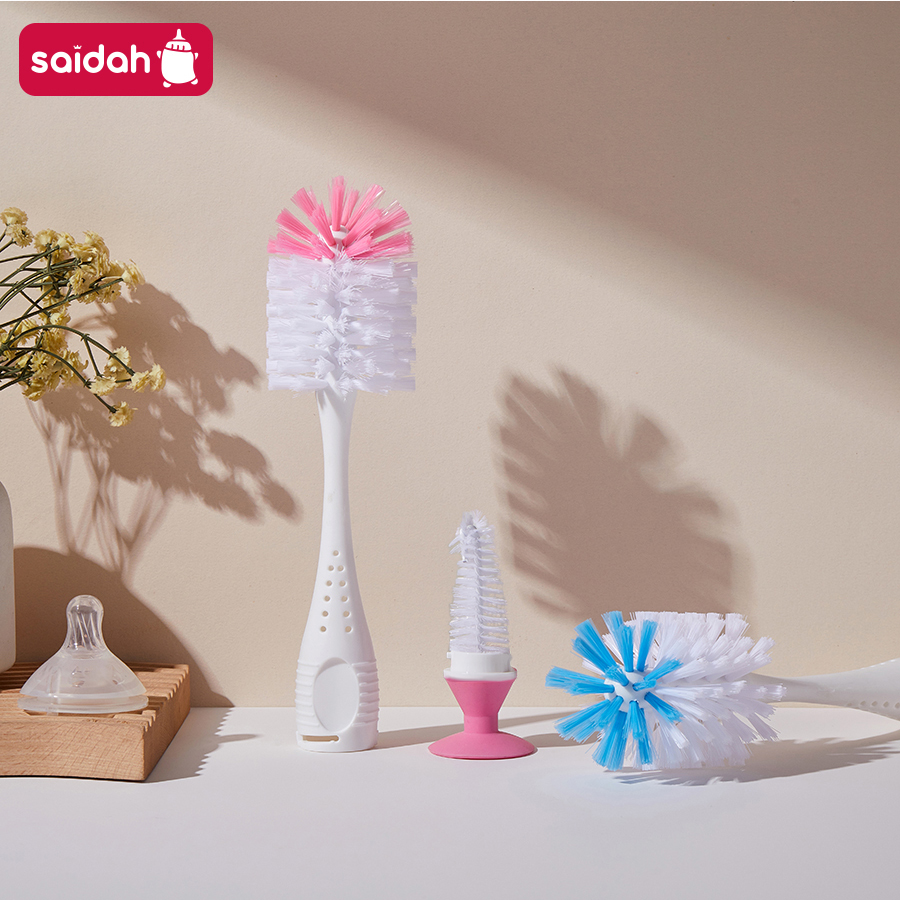
A: It’s recommended to replace your baby bottle cleaning brush every 1 to 3 months, depending on usage. If the bristles are worn or the brush becomes less effective, it’s time to replace it.
A: Using the same baby bottle cleaning brush for too long can lead to bacteria buildup and less effective cleaning. Regularly replacing your brush ensures better hygiene for your baby.
A: If the bristles are bent, frayed, or if the handle is damaged, it's time to replace your baby bottle cleaning brush. Any signs of mold or odors are also a good indicator.
A: If your baby bottle cleaning brush no longer scrubs effectively or has a strange odor that persists despite cleaning, it’s time to replace it to ensure proper hygiene.


