 English


Views: 0 Author: Site Editor Publish Time: 2026-03-13 Origin: Site


Keeping your baby bottle cleaning brush clean is just as important as cleaning the bottles themselves. A dirty brush can transfer harmful bacteria and mold back into your baby’s bottles. In this article, we will explain how to properly clean, sterilize, and store your baby bottle cleaning brushes. You'll learn essential tips for maintaining hygiene and ensuring your baby’s bottles stay safe and sanitary.
A baby bottle cleaning brush is a crucial tool in the cleaning process. However, just like any cleaning item, it can become a breeding ground for bacteria if not cleaned properly. Milk residue left on the brush can harden and attract bacteria, making it less effective at cleaning and more likely to spread germs.
Using a dirty brush can compromise the hygiene of your baby’s bottles. Baby bottle cleaning brushes that are not regularly cleaned themselves can inadvertently transfer mold, mildew, and bacteria back into the bottle during subsequent use. This can lead to contamination and may pose a health risk to your baby.
To keep your baby’s bottles truly clean, it is essential to maintain the cleanliness of the baby bottle cleaning brush. A well-maintained brush is more efficient in scrubbing bottles thoroughly, ensuring your baby’s bottles are free from harmful microorganisms.
Cross-contamination is a major concern when using unclean baby bottle cleaning brushes. If the brush is not washed thoroughly, bacteria or germs from one bottle can be transferred to others, or even to the baby’s pacifiers or other feeding equipment. This can lead to a cycle of contamination, where dirty brushes perpetuate the spread of germs.
Regular cleaning of the baby bottle cleaning brush prevents cross-contamination by ensuring the brush is free from leftover residue and germs. Maintaining a clean brush also helps protect your baby’s health by minimizing exposure to harmful bacteria.
After every use, it’s important to rinse your baby bottle cleaning brush thoroughly with warm water. Milk residue and soap can dry on the bristles, making it harder to remove and leading to bacterial growth. Rinsing immediately after use will help eliminate most milk residue and prevent it from hardening, making it easier to clean in subsequent uses.
For more effective cleaning, you can wash the brush with mild dish soap and warm water. It’s essential to remove all milk residue to avoid contamination. Cleaning the brush immediately after use prevents the buildup of milk proteins and bacteria, keeping the brush ready for the next cleaning session.
Cleaning Method | Pros | Cons |
Rinsing Immediately | Quick and prevents residue buildup | Doesn’t sanitize the brush |
Using Mild Soap | Removes most residue and soap buildup | Requires additional time and attention |
Sterilizing | Ensures complete sanitation | Requires additional tools (boiling water, sterilizer) |
For a more thorough clean, you should sterilize your baby bottle cleaning brush regularly. Over time, even after rinsing, bacteria can still cling to the brush, so sterilization is necessary to kill harmful germs.
There are several effective methods for sterilizing a baby bottle cleaning brush:
● Boiling Water: Simply submerge the brush in boiling water for 5-10 minutes to kill bacteria and mold. This is an inexpensive and effective method.
● Baby-Safe Sterilizers: There are sterilizing units designed for baby bottles and brushes that use steam or UV light to disinfect them. These are highly effective, and many models are easy to use.
● Disinfecting Solutions: There are baby-safe disinfectant solutions available that can be used to soak the brush for a thorough cleanse. Always ensure the solution is safe for baby items.
Sterilizing your brush weekly, or more frequently if needed, ensures that it stays free from germs, mold, and bacteria, providing a cleaner environment for your baby’s bottles.
Proper drying and storage are essential steps in maintaining the cleanliness of your baby bottle cleaning brush. A damp brush is a perfect environment for mold to grow, which can affect the brush’s effectiveness and spread bacteria.
After cleaning and sterilizing, ensure that the brush is thoroughly dried before storing it. Allow it to air dry completely by placing it in a well-ventilated area. If possible, hang the brush to prevent moisture accumulation. Avoid storing the brush in a damp or closed container, as this can trap moisture and cause mold growth.
Tip: Use a brush holder with drainage holes for proper storage to keep the brush dry and safe from germs.
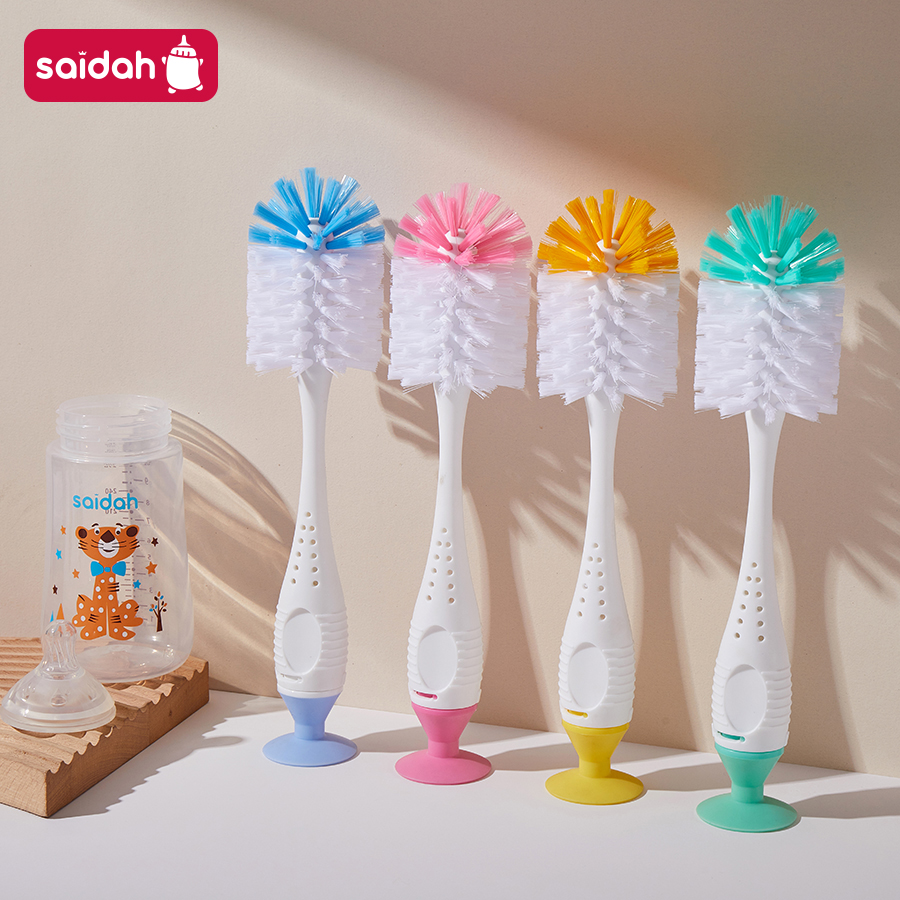
Many parents think that using strong chemicals or bleach will ensure their baby bottle cleaning brush is sanitized. However, this can damage the bristles, making them less effective. Harsh chemicals may also leave residues that can end up on your baby’s bottles.
Instead, use gentle, baby-safe cleaners, mild soap, or natural cleaning methods such as vinegar or baking soda. These methods are effective without the risks associated with harsh chemicals.
A baby bottle cleaning brush loses its effectiveness over time. The bristles can become frayed, bent, or worn down, which means they no longer scrub bottles thoroughly. Regular replacement every 1-3 months is necessary to maintain hygiene.
Signs that it’s time to replace the brush include a foul odor, frayed bristles, or a loss of cleaning power. If your brush shows any of these signs, it’s time to get a new one.
Improper storage is a common mistake that can lead to bacteria or mold growth on the baby bottle cleaning brush. Storing the brush in a closed container or a damp area traps moisture, which allows mold to develop.
Always store the brush in a dry, well-ventilated area. Use a brush holder or hang the brush so it can dry completely and stay free from contamination.
Self-cleaning bottles are an increasingly popular alternative to manual baby bottle cleaning brushes. These bottles use a built-in UV sterilizer or other cleaning mechanisms to automatically clean the inside. They are convenient and reduce the need for frequent manual cleaning.
While these bottles are helpful, they may not clean every part of the bottle as thoroughly as a baby bottle cleaning brush. The brush is still necessary for cleaning bottle parts like nipples and lids that are harder to reach with automated cleaning.
Electric baby bottle cleaning brushes offer a more efficient cleaning method compared to manual brushes. These powered brushes use motors to spin or vibrate, allowing for faster and more thorough cleaning. They’re particularly effective for removing stubborn milk residue and are less tiring for parents who clean bottles frequently.
However, electric brushes can be more expensive and may require regular maintenance, such as battery replacement or charging. While they can be convenient, they still require proper cleaning and storage, just like manual brushes.
Baby bottle cleaning wipes and sterilizing solutions are handy alternatives, particularly for on-the-go cleaning. These options are useful for quick sanitation when you’re away from home. However, they don’t provide the deep clean that a baby bottle cleaning brush offers, and they can’t remove stubborn residue or reach narrow bottle areas.
Sterilizing solutions, while effective at killing bacteria, also require a cleaning brush to scrub away the residue. For best results, use wipes or solutions as supplementary methods to regular cleaning with a baby bottle cleaning brush.
Keeping your baby bottle cleaning brush clean is just as important as cleaning the bottles themselves. By following the right cleaning, sterilizing, and drying techniques, you can ensure that your brush remains hygienic and effective. Regularly inspect your brush, replace it every few months, and store it properly to avoid mold and bacterial buildup. Using a clean brush guarantees that your baby’s bottles stay free of harmful residue, keeping your baby’s health safe.
Tip: Regularly inspect your brush for signs of wear or damage. A clean, well-maintained brush ensures optimal bottle hygiene and protects your baby from unnecessary health risks. For high-quality baby bottle cleaning brushes, contact Foshan City Saidah Baby Products Limited today to ensure you are providing the best for your baby’s health. Reach out now to learn more and purchase your cleaning tools!
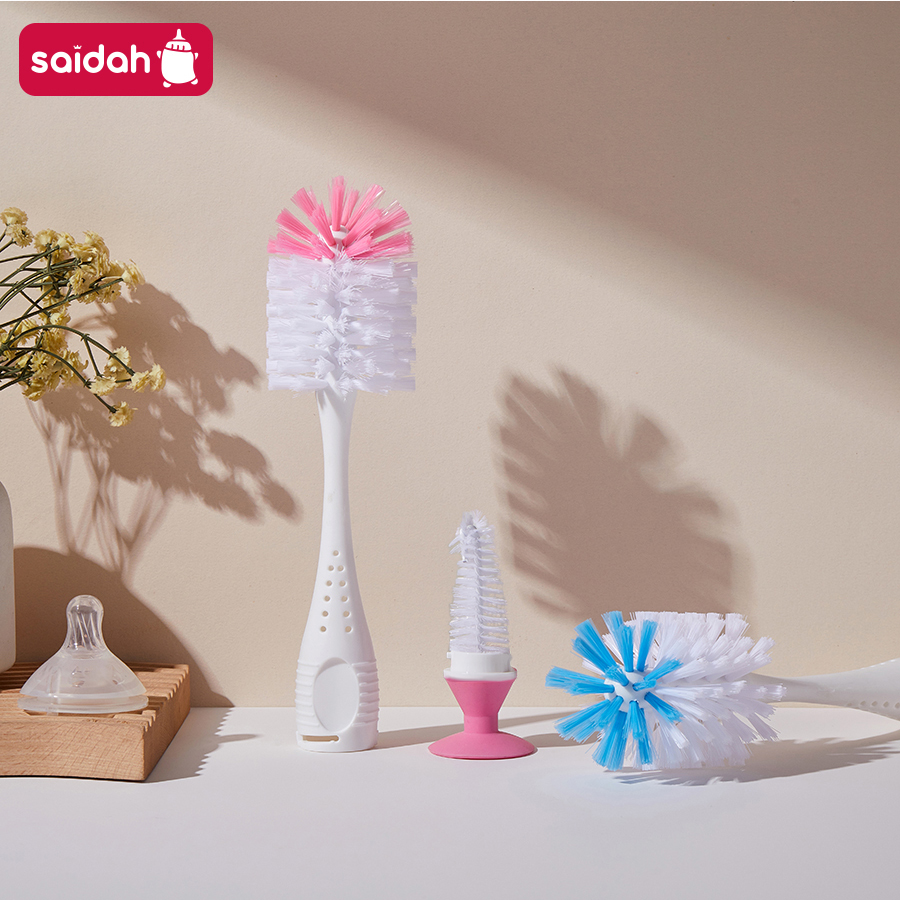
A: To clean your baby bottle cleaning brush, rinse it immediately after use with warm water to remove milk residue. Then, wash with mild soap and water, and sterilize it weekly using boiling water or a baby-safe disinfectant.
A: Baby bottle cleaning brushes should be replaced every 1-3 months or sooner if the bristles are worn, frayed, or have an unpleasant odor. Regular replacement ensures better hygiene for your baby's bottles.
A: Yes, you can use a baby bottle cleaning brush for multiple bottles, but make sure to clean the brush thoroughly after each use to prevent cross-contamination and ensure that the brush stays free from bacteria.
A: Keeping your baby bottle cleaning brush clean prevents bacteria, mold, and milk residue buildup, ensuring your baby’s bottles are properly sanitized after each use and reducing the risk of contamination.
A: Store your baby bottle cleaning brush in a dry, well-ventilated area. Hanging it or using a brush holder helps it dry completely and prevents mold or bacteria from growing.


