 English


Views: 223 Author: Site Editor Publish Time: 2025-12-22 Origin: Site


Silicone utensils have become one of the most widely chosen options for babies, toddlers, and young children. Parents love their softness, durability, and resistance to high heat—attributes that make mealtime easier and safer. As more brands release modern kids utensil set collections made from silicone, families naturally want to understand whether this material is genuinely safe for everyday use. The question is not about trends but about long-term exposure, food contact safety, and whether silicone behaves differently compared with plastic or metal when used by children who chew, bite, and drop their utensils frequently. This article explores these concerns in detail and provides a data-driven, practical guide for parents wanting the safest option for their child’s meals.
Parents are increasingly cautious about material safety, particularly when selecting a kids utensil set that will be used multiple times a day. Several common concerns drive these questions. First, silicone looks and feels similar to certain plastics, leading some to worry about chemicals leaching during exposure to hot foods. Additionally, earlier controversies surrounding BPA and phthalates in plastics have created heightened awareness of what touches a child's food. Another reason is that different manufacturers use different formulations; not all silicone products are created equal. Some lower-quality utensils may contain fillers, dyes, or softeners that compromise purity. These valid concerns highlight why understanding how silicone is produced, tested, and certified is essential before deciding whether it is the safest material for children’s utensils.
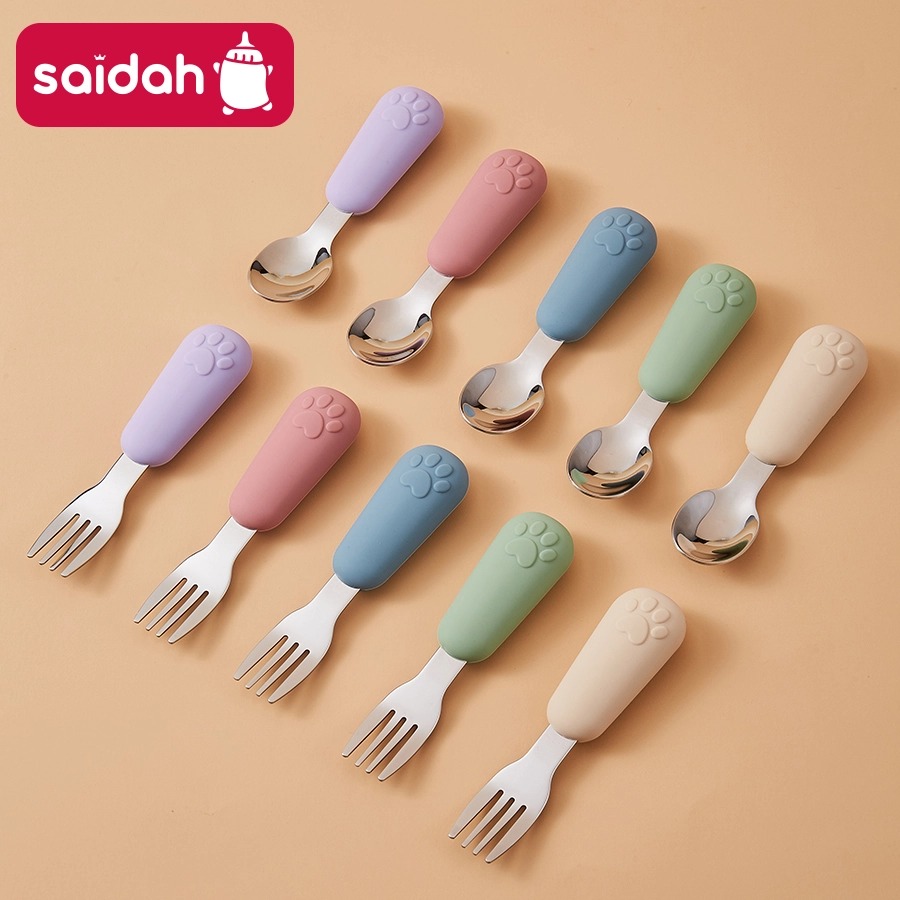
Food-grade silicone is a synthetic polymer made from silica, oxygen, carbon, and hydrogen. Unlike traditional plastics derived from petroleum, silicone forms a flexible yet highly stable structure that resists heat and chemical reactions. This makes it suitable for use in a kids utensil set, particularly because young children often expose utensils to temperature extremes—from hot soup to boiling water sterilization. High-quality silicone is free from BPA, PVC, phthalates, lead, and other contaminants. It also does not react with food acids or oils. A key safety indicator is “platinum-cured” silicone, a process that increases purity and prevents the release of volatile compounds. When parents understand that food-grade silicone is designed specifically for safe, long-term food contact, they can make more confident decisions for their children’s meals.
Table: Key Characteristics of Food-Grade Silicone
| Property | Benefit for Kids |
|---|---|
| Heat resistance (–40°C to 230°C or more) | Safe for hot foods and sterilization |
| Non-reactive | Does not alter taste or leach chemicals |
| Soft, flexible texture | Gentle for teething babies and toddlers |
| Durable | Withstands daily use without breaking |
When evaluating whether silicone utensils are safe for kids, it is essential to look at practical benefits that directly affect safety during feeding. Silicone’s flexible texture prevents gum injuries, making it particularly ideal for babies transitioning to solids. The non-slip surface also allows toddlers to grip spoons and forks more securely. Unlike plastic, silicone does not warp or degrade under heat, which reduces the risk of microplastic release. The material’s inherent stability minimizes chemical migration even when exposed to boiling water or microwaved meals. For families assembling a complete kids utensil set, silicone is one of the few materials that combines softness, durability, and heat resistance without requiring added chemical stabilizers. These attributes together create a safer mealtime environment for growing children.
Parents evaluating a kids utensil set often compare materials side-by-side to understand safety trade-offs. Plastic utensils are lightweight and inexpensive, but they pose the highest risk of chemical leaching, particularly when exposed to hot foods. Bamboo utensils, while eco-friendly, can splinter over time and often require chemical coatings to resist moisture. Stainless steel is extremely durable and safe, but it is too rigid for young babies who are still developing oral coordination. Silicone offers a balanced middle ground—soft enough for infants, durable enough for repeated cleaning, and stable enough to avoid chemical migration. Despite these advantages, silicone is not biodegradable, which may concern eco-conscious families. Understanding the complete picture helps parents select the safest and most practical utensil material for their child.
Table: Material Comparison for Kids' Utensils
| Material | Pros | Cons |
|---|---|---|
| Silicone | Soft, heat-resistant, non-reactive | Not biodegradable |
| Plastic | Cheap, lightweight | Chemical leaching risk |
| Bamboo | Natural, eco-friendly | May absorb food, can splinter |
| Stainless Steel | Extremely durable, hygienic | Too hard for babies |
Selecting a safe silicone kids utensil set requires more than simply buying a product labeled “BPA-free.” Parents should verify that the utensils are made from 100% food-grade silicone without fillers. When silicone contains fillers, it may feel greasy, fade easily, or show white streaks when stretched. Look for products marked as LFGB-certified or FDA-approved, since these certifications require rigorous migration testing. Platinum-cured silicone is also preferred for its enhanced purity. Additionally, consider utensil design: rounded, smooth edges reduce injury risks, and ergonomic shapes help toddlers learn self-feeding. Color dyes used should be food-safe and stable under heat. Choosing the right set ensures that feeding remains both safe and developmentally supportive as children grow.
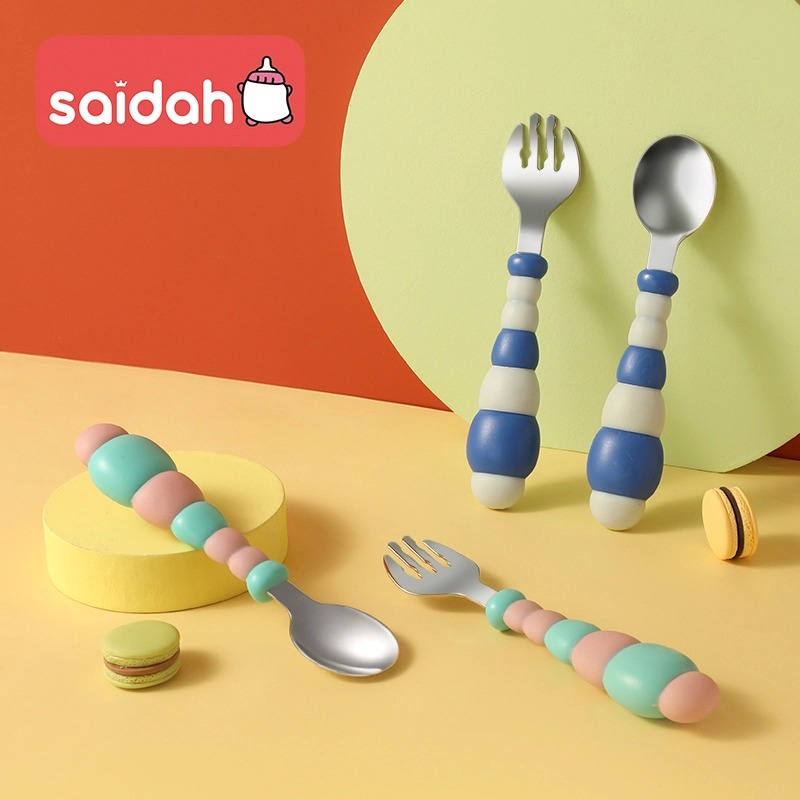
Even the safest silicone utensils require proper care to maintain their safety and hygiene. Parents using a silicone-based kids utensil set should clean utensils in warm, soapy water or the dishwasher after each meal. Occasional deep cleaning with baking soda helps remove lingering odors or oil buildup without damaging the material. Avoid exposing silicone utensils to sharp knives or abrasive scrubbers that might puncture the surface. If sterilizing, ensure the silicone used is rated for high temperatures to prevent surface degradation. Although silicone withstands heat better than plastic, repeated exposure to temperatures beyond its design limit can reduce longevity. Ensuring consistent, gentle maintenance protects the material’s integrity and the safety of your child’s meals.
Parents sometimes assume silicone will last indefinitely, but it is important to recognize when a utensil is no longer safe for your child. Visible tears, punctures, or loose fragments indicate the utensil should be replaced immediately, as small pieces could become choking hazards. If your kids utensil set develops a sticky or oily feel that cannot be washed away, this may signal chemical breakdown or the presence of fillers in lower-quality silicone. Persistent discoloration or an unpleasant odor could also mean the material is degrading. High-quality, platinum-cured silicone generally lasts years under normal use, but regular inspection ensures your child continues to use utensils that are safe, hygienic, and structurally sound.
Silicone utensils, when made from high-quality, food-grade materials, offer a safe and practical choice for babies and young children. They provide a combination of softness, heat stability, and non-reactive properties that surpass many traditional materials used in a kids utensil set. While not all silicone products are equal, parents who understand key quality indicators—such as certifications, purity, and proper care—can confidently rely on silicone for daily feeding. Ultimately, silicone utensils are considered safe for kids when sourced responsibly and maintained correctly. This makes them a trusted option for modern families seeking convenience without compromising safety.
1. Are silicone utensils safer than plastic for kids?
Yes. High-quality food-grade silicone is more heat-resistant, chemically stable, and durable than plastic. It does not leach harmful chemicals when exposed to hot foods.
2. How can I tell if a silicone kids utensil set is made with fillers?
Stretch the silicone slightly—if you see white streaks or if the material feels greasy, it may contain fillers. Pure silicone retains its color and texture when stretched.
3. Can silicone utensils go in the dishwasher?
Yes. Most food-grade silicone is dishwasher-safe and can also be sterilized, making it easy to clean and maintain.
4. Do silicone utensils absorb flavors or odors?
Silicone is non-porous, but oil buildup can trap odors over time. Cleaning with baking soda helps restore freshness.
5. At what age can babies start using silicone utensils?
Babies typically start using silicone spoons around six months when they begin solid foods. The soft texture protects their sensitive gums.


