 English


Views: 0 Author: Site Editor Publish Time: 2025-11-12 Origin: Site


Feeding an infant is one of the most important responsibilities for parents and caregivers. Among the various tools required for safe feeding, the infant bottle plays a central role. Proper cleaning and sterilization of infant bottles is critical, not just for hygiene, but also for preventing illnesses such as gastrointestinal infections, diarrhea, and other bacterial or viral infections.
Many new parents often wonder how to clean infant bottles effectively and safely.
Infant bottles are a breeding ground for bacteria if not cleaned properly. Residual milk, formula, or other liquids can spoil quickly and promote microbial growth. Contaminated bottles can lead to:
Stomach upset and diarrhea
Ear and throat infections
Respiratory illnesses
Severe foodborne illnesses in newborns
Babies have developing immune systems, making them highly susceptible to infections. Therefore, meticulous cleaning and sterilization of bottles is not just recommended—it is necessary.
Before you begin cleaning infant bottles, it’s essential to have the right tools and supplies. Proper equipment ensures thorough cleaning and prevents accidental contamination. Typical items include:
Bottle Brush: A long, flexible brush designed to reach the bottom and sides of the bottle. This is essential for removing milk residue that can harbor bacteria.
Nipple Brush: A smaller brush specifically made for cleaning the tiny holes and crevices of the nipple. Proper cleaning prevents blockages and bacterial buildup.
Dish Soap: Mild, fragrance-free, and baby-safe detergent should always be used. Harsh chemicals can leave residues that may irritate an infant’s sensitive digestive system.
Sterilizer or Pot: A pot for boiling water or an electric steam sterilizer is necessary to kill any remaining germs after washing. Sterilization is particularly crucial for newborns or premature babies.
Clean Towel or Drying Rack: For air-drying the bottles. Towels can harbor bacteria, so using a designated clean drying rack is preferable.
Optional Bottle Cleaning Tablets or Wipes: These are useful for quick cleaning when traveling or when you don’t have access to traditional washing tools.
Having these supplies on hand ensures that every part of the infant bottle is properly cleaned and sanitized.
Cleaning infant bottles involves several steps to ensure maximum hygiene. Here’s a detailed guide:
Disassemble the Bottle: Remove all detachable parts including nipples, caps, and rings. This allows every surface to be cleaned thoroughly.
Rinse Immediately: Rinse all components with cool or warm water to remove leftover milk or formula. Prompt rinsing prevents residue from hardening, making the next cleaning steps easier.
Fill a Clean Basin with Hot Water: Avoid washing bottles directly in the kitchen sink as it may harbor bacteria.
Add Mild Dish Soap: Make sure it’s baby-safe, free from strong fragrances or antibacterial chemicals that could leave harmful residues.
Scrub Thoroughly: Use the bottle brush to clean the interior and the nipple brush for smaller parts. Pay special attention to any crevices or hard-to-reach areas.
Rinse Completely: Ensure that all soap residues are removed as they can irritate the baby’s sensitive system.
Some infant bottles are dishwasher safe, but always check the manufacturer’s instructions.
Place bottles on the top rack to avoid heat damage.
Use a baby-safe or mild detergent.
Run a hot water cycle to ensure thorough cleaning.
Although convenient, dishwashing may not eliminate all bacteria, especially in the nipples, so sterilization is recommended for newborns.
Washing alone may not kill all bacteria, viruses, or fungi. Proper sterilization adds an extra layer of safety.
Fill a large pot with water and fully immerse all bottle parts.
Bring the water to a rolling boil for 5–10 minutes.
Remove parts with clean tongs and place them on a sterilized drying rack to air dry.
Electric or microwave steam sterilizers are popular and convenient.
Steam penetrates deep into crevices, effectively killing germs and bacteria.
Baby-safe sterilizing solutions or tablets can be used when boiling or steam sterilizers are unavailable.
Follow the manufacturer’s instructions to prevent chemical residues.
UV light sanitizes bottles without heat or chemicals.
Ideal for quick sterilization at home or during travel.
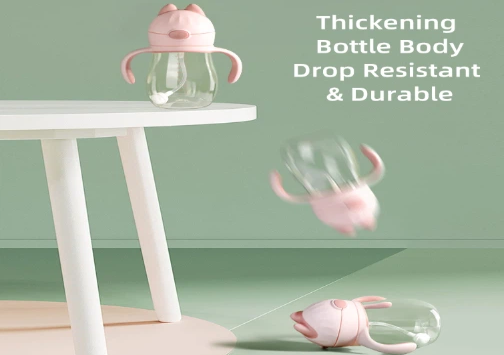
Proper drying and storage prevent contamination after cleaning.
Place bottles upside down on a clean drying rack.
Separate nipples and rings to allow full air exposure.
Avoid using towels, as they can introduce bacteria.
Store bottles in a closed, clean cupboard to prevent dust or splashes.
Do not pre-fill bottles with formula or milk for long periods; always clean immediately after feeding.
Proper cleaning techniques can vary depending on the material of the infant bottle. Each type has unique properties, and understanding these differences ensures both safety and durability.
Glass bottles are highly durable, resistant to scratches, and easy to sterilize. They can withstand boiling water or steam sterilization without risk of warping or releasing harmful chemicals. Additionally, glass does not absorb odors or stains, which makes it a hygienic option for repeated use. Despite their sturdiness, always inspect for chips or cracks, as damaged glass can pose a safety hazard to your baby.
Plastic bottles are lightweight and convenient for daily use, especially for traveling. Choosing BPA-free plastic bottles is essential to prevent harmful chemical exposure. Avoid prolonged exposure to boiling water or high temperatures, as it can warp the plastic and create small scratches that harbor bacteria. Regularly inspect the bottles for signs of wear, including scratches, cloudiness, or discoloration. Even minor damage can become a breeding ground for germs, so replace compromised bottles promptly.
Silicone bottles are soft, flexible, and safe for infants, offering an alternative to glass or hard plastic. They are resistant to breaking and ideal for babies who are prone to dropping bottles. When cleaning silicone bottles, use a soft brush to prevent tearing or damage. Silicone can also withstand boiling or steam sterilization, making it easy to maintain hygiene even during high-use periods. Keep in mind that silicone may retain odors more than glass, so thorough cleaning is important.
Proper care of bottle nipples and small components is just as important as cleaning the bottles themselves:
Check for Cracks or Holes: Inspect nipples regularly for signs of wear, including discoloration or small tears. Replace damaged nipples immediately to prevent leaks and bacterial contamination.
Caps and Rings: Rinse and scrub these parts carefully, as milk residue can accumulate and promote mold growth.
Rotation of Parts: To extend the life of all components, rotate bottles, nipples, and caps periodically, ensuring even wear and reducing the risk of damage or contamination.
Many parents unintentionally compromise bottle hygiene. Common errors include:
Delaying Cleaning: Milk residue can harden quickly after feeding, making it difficult to remove and encouraging bacterial growth.
Using Harsh Chemicals: Strong detergents or bleach can leave harmful residues that may irritate a baby’s digestive system.
Reusing Damaged Bottles or Nipples: Scratches, cracks, and tears provide hiding places for bacteria.
Overlooking Small Crevices: Tiny areas such as nipple holes, threads, or bottle corners can harbor germs if not cleaned thoroughly with brushes.
Parents often need to clean bottles outside the home, and proper techniques ensure hygiene is maintained:
Portable Brushes and Wipes: Carry compact bottle brushes and baby-safe wipes for quick cleaning.
Sterilizing Options: Pre-measured sterilizing tablets or portable UV sterilizers can provide rapid sanitation when boiling or steam sterilization is unavailable.
Sealed Storage: Keep cleaned bottles in a sealed, clean container to prevent contamination until feeding.
Maintaining a strict cleaning routine for infant bottles provides multiple advantages:
Health Protection: Reduces the risk of gastrointestinal and respiratory infections caused by bacteria or mold.
Enhanced Digestion and Nutrition: Properly cleaned bottles ensure milk or formula remains uncontaminated, promoting better nutrient absorption and overall baby health.
Peace of Mind: Parents and caregivers can feel confident that every feeding is safe.
Extended Bottle Life: Consistent care prevents premature wear, prolonging the usability of bottles and accessories, and reducing replacement costs.
By following these cleaning and maintenance practices, parents can provide a safe feeding environment while ensuring their bottles remain in optimal condition over time.
Cleaning and maintaining infant bottles is a fundamental aspect of baby care. From washing and scrubbing to sterilization and proper storage, every step ensures that the bottles are safe, hygienic, and free from harmful bacteria. By following recommended guidelines, parents can protect their infants from potential illnesses and provide a healthy feeding environment.
For those seeking high-quality, safe, and durable infant bottles, Foshan City Saidah Baby Products Limited offers a wide range of options designed to meet modern baby care standards. Their products combine safety, convenience, and durability, making them an excellent choice for parents who prioritize hygiene and infant health.
Visit Foshan City Saidah Baby Products Limited to learn more about their innovative infant bottles and other baby feeding solutions, or contact their team for personalized recommendations to meet your baby’s specific needs.


