 English


Views: 0 Author: Site Editor Publish Time: 2025-11-14 Origin: Site


Bottle feeding is a vital method for providing infants with essential nutrition, whether through breast milk or infant formula. While it may seem straightforward, ensuring safety, hygiene, and comfort requires knowledge of proper techniques, correct bottle selection, and maintenance practices. This comprehensive guide covers everything parents need to know about how to properly bottle feed an infant, including preparation, feeding, observing cues, and keeping bottles clean.
Bottle feeding allows parents to provide breast milk or formula to their baby in a controlled and flexible manner. It is particularly helpful when breastfeeding is not possible, when supplementation is needed, or when feeding in public or during travel.
Breast Milk: Naturally provides antibodies, adapts to the baby’s nutritional needs, and is easily digestible. Expressed breast milk can be stored in sterilized bottles for later feeding, giving flexibility to caregivers.
Infant Formula: A scientifically prepared alternative that offers balanced nutrition when breastfeeding is unavailable. Formulas come in powdered, liquid concentrate, or ready-to-feed forms. While convenient, formula requires precise mixing and proper handling to prevent contamination.
Both feeding methods require careful attention to hygiene and measurement to ensure safe and adequate nutrition.
Choosing the right bottle impacts feeding success and ease of cleaning. Consider these factors:
Material: Bottles are available in glass, BPA-free plastic, or silicone. Glass is durable, chemical-free, and odor-resistant, though heavier and breakable. Plastic bottles are lightweight and shatter-resistant, ideal for travel. Silicone is soft and flexible, often used for nipples and specialty bottles.
Size: Newborns typically need 4-ounce bottles to avoid overfeeding. Older infants may require 8–9 ounces to satisfy growing appetites.
Nipple Type: Options include standard, slow-flow, or anti-colic nipples, suitable for the baby’s age and sucking ability. Anti-colic nipples help reduce air intake, which can prevent gas and colic.
Ease of Cleaning: Bottles with wide openings and fewer components are easier to scrub and sterilize. Avoid intricate designs that may trap milk residue or bacteria.
Selecting the proper bottle reduces feeding difficulties and simplifies hygiene maintenance.
Proper bottle preparation is essential for infant safety and to prevent illness.
Sterilizing bottles, nipples, and caps kills bacteria and reduces infection risk. Methods include:
Boiling: Immerse all components in water for 5–10 minutes. Ensure nothing touches the sides of the pot to avoid damage.
Electric Steam Sterilizer: Provides a quick and efficient hands-free sterilization method.
Microwave Sterilization Bags: Convenient for travel or busy schedules. Always follow the manufacturer’s instructions.
Regular sterilization, especially for newborns, is crucial for safe feeding.
If using formula:
Wash hands thoroughly before handling bottles or formula.
Use clean, filtered, or boiled water.
Follow the manufacturer’s instructions precisely for mixing.
Stir gently to prevent air bubbles, which may cause colic or discomfort.
Check the temperature before feeding—it should be around body temperature (98–100°F or 37°C).
Place the bottle in a bowl of warm water for a few minutes.
Avoid microwaving, which may create hot spots and destroy nutrients in breast milk.
Feeding techniques significantly impact digestion, safety, and comfort.
Hold the baby in a semi-upright position to reduce choking and ear infection risks.
Support the head, neck, and shoulders. Feeding while fully flat is unsafe and should be avoided.
Tilt the bottle so that the nipple is always filled with milk, preventing air intake.
Never prop the bottle or leave the baby unattended during feeding.
Allow the baby to pause naturally during feeding.
Observe cues: if the baby stops sucking, turns away, or falls asleep, do not force them to finish the bottle.
Pause midway and at the end to burp the baby.
Pat or rub the baby’s back gently while holding upright to release trapped air and prevent discomfort.
Understanding infant signals helps prevent overfeeding and ensures proper nutrition.
Rooting or turning the head toward the bottle or breast
Sucking on fingers or fists
Fidgeting or restlessness
Slowing down sucking
Turning the head away or pushing the bottle
Relaxed body posture
Respecting these cues promotes healthy feeding habits and reduces reflux or discomfort.
Maintaining the cleanliness of infant bottles is critical for the health and well-being of your baby. Proper hygiene prevents the growth of harmful bacteria and reduces the risk of infections such as diarrhea, stomach upset, or other gastrointestinal issues.
Immediate Rinse: Always rinse bottles and nipples immediately after feeding. This prevents milk residue from drying, which can harbor bacteria and make cleaning more difficult.
Thorough Scrubbing: Use a bottle brush with warm, soapy water to clean all surfaces, including the inside of the bottle, nipple, cap, and rings. Make sure to clean crevices and hard-to-reach areas where milk or formula may accumulate.
Pay Attention to Nipple Openings: Milk can easily get trapped in the nipple holes. Use a small brush or nipple cleaner to ensure these areas are free from residue.
Rinse Well: After scrubbing, rinse thoroughly with clean water to remove all soap traces. Residual soap can affect taste and potentially irritate the baby’s digestive system.
Daily Sterilization for Newborns: For infants under three months or with weaker immune systems, sterilize bottles, nipples, and caps daily.
Frequent Sterilization for Older Infants: For older babies, sterilization can be done several times a week, depending on usage and local hygiene standards.
Storage: Store sterilized bottles in a clean, covered container or dedicated cabinet to prevent contamination from dust or airborne bacteria.
Sterilization Methods: Boiling, electric steam sterilizers, or microwave sterilization bags are effective. Always follow the manufacturer’s instructions for safe use.
Nipple Replacement: Replace nipples every 2–3 months or sooner if they show signs of wear, tearing, or discoloration. Worn nipples can cause choking hazards or interfere with proper feeding.
Bottle Inspection: Regularly inspect bottles for cracks, discoloration, or deformation. Damaged bottles can harbor bacteria or leak, which could compromise safety.
Durability Check: Over time, repeated sterilization and use may weaken the material. Replace any compromised bottles promptly to maintain safety and hygiene.
Proper maintenance ensures that feeding equipment remains safe, hygienic, and long-lasting, protecting your baby’s health while simplifying daily care for parents.
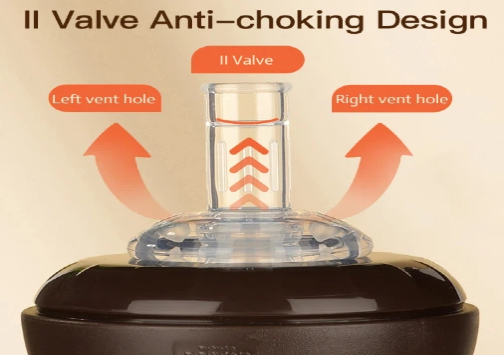
Even with careful preparation, caregivers may encounter challenges during bottle feeding. Understanding common issues and solutions can make feeding smoother and less stressful.
Use Slow-Flow Nipples: Slow-flow nipples reduce the amount of air swallowed, which can help prevent gas and colic.
Frequent Burping: Pause during feeding to burp the baby, releasing trapped air and reducing discomfort.
Proper Positioning: Keep the baby in a semi-upright position while feeding to prevent air from entering the stomach.
Nipple Variations: Some babies may prefer a different nipple shape or flow rate. Experiment to find what works best.
Temperature Check: Ensure milk or formula is at the correct temperature, around body temperature (98–100°F or 37°C).
Calm Environment: Avoid distractions, loud noises, or overstimulation during feeding to help the baby focus on feeding.
Smaller, Frequent Feeds: Offer smaller amounts of milk more often instead of large, infrequent feeds.
Observe Fullness Cues: Watch for signs such as slowing sucking, turning the head, or relaxed posture to prevent overfeeding.
Post-Feeding Upright Position: Keep the baby upright for 20–30 minutes after feeding to reduce spit-up and aid digestion.
Bottle feeding should be a comfortable, bonding experience for both baby and caregiver. Implementing these tips can make the process smoother and less stressful:
Establish a Routine: Regular feeding times help the baby feel secure and anticipate feeding, reducing fussiness.
Stay Calm and Attentive: Babies are sensitive to caregiver emotions. Staying relaxed helps them feel safe and content.
Alternate Caregivers: Sharing feeding duties encourages bonding with multiple caregivers and provides flexibility for parents.
Use Helpful Accessories: Consider bottle warmers for convenience, insulated bags for travel, and anti-colic bottles to reduce discomfort. These tools can streamline feeding and make it more enjoyable.
By following proper hygiene, addressing common challenges, and creating a calm, structured feeding environment, bottle feeding can become a safe, effective, and stress-free experience for both babies and caregivers.
Proper bottle feeding is an essential skill that can significantly impact an infant’s health, comfort, and development. By choosing the right infant bottle, preparing milk safely, using correct techniques, and maintaining good hygiene, parents can make feeding a positive and nurturing experience.
For high-quality, safe, and reliable infant bottles and feeding accessories, Foshan City Saidah Baby Products Limited offers a wide range of products that meet international safety standards. Parents seeking trusted solutions for bottle feeding can explore their offerings and find products designed for convenience, safety, and the wellbeing of every baby.


