 English


Views: 0 Author: Site Editor Publish Time: 2025-11-17 Origin: Site


Feeding an infant is one of the most important responsibilities parents face. Proper nutrition in the early months of life plays a critical role in growth, immunity, and cognitive development. While breastfeeding is widely recommended as the gold standard for infant nutrition, bottle feeding has become an equally practical and safe alternative for many families.
Bottle feeding allows infants to receive breast milk, formula, or a combination of both through an infant bottle. It provides flexibility for parents who may have work schedules, health concerns, or personal preferences that make exclusive breastfeeding difficult. However, questions often arise: Is bottle feeding safe for infants?
The safety and effectiveness of bottle feeding depend on several factors, including proper preparation, hygiene, feeding techniques, and selecting the right bottle and nipple.
Bottle feeding involves delivering milk to the infant through a specially designed bottle equipped with a nipple that mimics natural breastfeeding. Modern bottles are engineered to reduce air intake, prevent colic, and provide comfort during feeding.
Choosing the right bottle and nipple is essential for safe and comfortable feeding. Common options include:
Standard Bottles: Basic bottles made from BPA-free plastic or glass, suitable for most infants.
Anti-Colic Bottles: Equipped with vents or valves to minimize swallowed air, reducing gas and discomfort.
Slow Flow Nipples: Designed for newborns to prevent choking and overfeeding.
Wide Neck Bottles: Easier to clean and mimic the natural breastfeeding latch, promoting smooth transition between breast and bottle.
Selecting the appropriate bottle and nipple combination ensures proper feeding mechanics and minimizes digestive issues such as gas, colic, or spit-up.
Flexibility: Multiple caregivers can participate in feeding, allowing shared responsibility.
Convenience: Useful when breastfeeding is not possible due to health, medications, or work obligations.
Tracking Intake: Parents can accurately measure how much milk the baby consumes, helping monitor nutrition and growth.
Most infants develop the ability to hold their own bottle between 6 to 9 months of age. However, it’s important to remember that individual growth patterns, motor skill development, and physical readiness can influence exactly when a baby achieves this milestone. Understanding the typical stages can help parents support their child effectively without causing stress or frustration.
Around 4–5 months: Babies begin to grasp objects as part of early hand-eye coordination development. At this stage, they may reach for a bottle during feeding but usually require significant assistance. Parents often need to guide their hands or support the bottle to ensure the baby can drink safely. This is an important phase for practicing grip and arm control.
By 6 months: Many infants can use both hands to hold the bottle, often with parental guidance or stabilization. At this age, babies develop improved upper body strength and better coordination, allowing them to participate more actively in feeding. Encouraging supervised practice at this stage helps them gain confidence while minimizing spills.
7–9 months: During this period, a majority of babies can hold the bottle independently for short periods. While spills are common, the ability to control the bottle reflects growing fine motor skills and hand-eye coordination. Parents can gradually allow more self-feeding during meals, while continuing supervision to ensure safety.
10–12 months: By this age, most infants can hold and drink from a bottle with minimal assistance, combining motor skills, coordination, and oral control effectively. This marks a significant step toward self-feeding and lays the foundation for transitioning to sippy cups or small training cups in the near future.
It’s essential to remember that developmental timelines differ from child to child. Some infants may achieve this milestone earlier, while others, especially preterm babies or those with delayed motor skills, may require more time. Parents should approach bottle-holding milestones with patience and encouragement, emphasizing practice over perfection.
Several factors influence the timing of independent bottle holding. Awareness of these elements allows parents to provide targeted support:
Infants require sufficient upper body strength to lift and tilt a bottle safely. Regular opportunities for reaching, grasping, and practicing fine motor movements help develop the necessary muscles. Active babies who frequently engage in tummy time, reach for toys, and grasp objects often gain the strength needed to hold a bottle sooner.
Successful bottle holding requires more than raw strength; fine motor skills and hand-eye coordination are critical. Babies typically progress from a palmar grasp, using their whole hand, to a pincer grasp, where the thumb and forefinger work together. This evolution enhances their ability to control the bottle and manage flow while drinking.
The right bottle can make a significant difference. Lightweight bottles with ergonomic handles or dual grips are easier for small hands to manage. Bottles with textured surfaces improve grip, while those with a balanced weight distribution reduce fatigue and make it easier for babies to tilt the bottle without spilling.
Babies who are offered regular supervised practice often master bottle holding faster. Allowing your infant to attempt holding the bottle for brief periods encourages muscle memory and coordination. Even partial success builds confidence, reinforcing positive learning experiences.
Premature infants or babies with delayed motor skills may reach this milestone later than peers. Each child develops at their own pace, and individualized approaches—such as gradual practice, shorter sessions, and positive reinforcement—are key to supporting progress without pressure.
Before encouraging independent bottle feeding, look for these readiness cues:
Reaches for the bottle during feeding: Shows curiosity and interest in self-feeding.
Can sit with minimal support: Good posture helps balance the bottle safely.
Opens mouth when the bottle approaches: Indicates awareness of feeding cues.
Grasps other objects successfully: Demonstrates developed hand control and coordination.
Once these signs appear, parents can offer supervised opportunities for the baby to hold the bottle. Start gradually, allowing short practice sessions while providing guidance.
Supporting your infant safely through this milestone requires a structured approach:
Allow the baby to hold the bottle for a few minutes while you guide and stabilize it. Gradually increase the duration as confidence and coordination improve.
Place your baby in a secure high chair or infant seat. Proper posture aids balance, reduces spills, and ensures safe swallowing. A slightly reclined position is ideal for younger infants, while more upright seating benefits older babies.
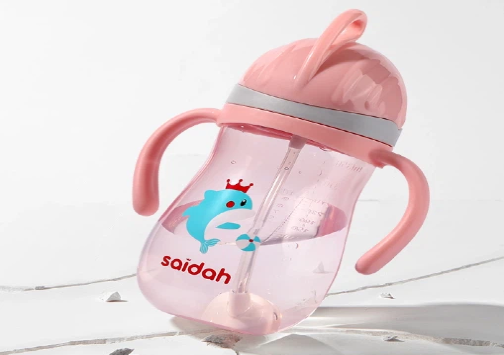
Select lightweight, ergonomic bottles with handles appropriate for small hands. Bottles with anti-spill features or slow-flow nipples provide greater control and reduce frustration during early attempts.
Gently guide your baby’s hands, showing how to tilt the bottle. Demonstrations combined with positive reinforcement help the baby associate holding the bottle with successful feeding.
Never leave a baby unattended while holding a bottle. Close supervision prevents choking, excessive spills, and encourages safe practice.
Combine independent bottle holding with traditional feeding. Start with supervised sessions, gradually allowing the baby more autonomy as skills improve. Over time, the baby gains confidence and builds a foundation for self-feeding with sippy cups or training cups.
Independent bottle holding helps babies develop:
Self-regulation: Babies learn to control intake, stopping when full.
Motor skills: Lifting, gripping, and tilting the bottle strengthens fine motor coordination.
Autonomy: Fosters a sense of independence, preparing them for future feeding milestones.
Practice should be positive, stress-free, and consistent. By celebrating small achievements and maintaining a safe environment, parents can make learning to hold a bottle a fun, confidence-building experience.
Use appropriately shaped nipples to support jaw and oral development.
Avoid prolonged use of bottles during sleep to prevent tooth decay and misalignment.
Bottle feeding allows multiple caregivers to bond with the baby. Eye contact, gentle holding, and talking during feeding sessions promote emotional attachment and social development.
Consult a pediatrician if:
The baby shows poor weight gain or signs of dehydration.
Frequent vomiting, diarrhea, or digestive discomfort occurs.
Signs of formula intolerance or allergy, such as rash, fussiness, or respiratory reactions, are observed.
Pediatricians can provide tailored guidance on formula choice, feeding techniques, and schedules.
Bottle feeding can be a safe, practical, and effective way to provide essential nutrition to infants when proper hygiene, preparation, and feeding techniques are observed. Both formula and expressed breast milk provide the necessary nutrients for healthy growth, immunity, and development. Parents can enjoy flexibility, convenience, and the opportunity for multiple caregivers to participate in feeding.
For families seeking high-quality, safe infant feeding products, Foshan City Saidah Baby Products Limited offers a range of thoughtfully designed bottles and accessories that prioritize hygiene, comfort, and safety. Their products help parents confidently provide nutrition for their infants, ensuring that bottle feeding is both convenient and secure.


